Top 10 Benefits of Copper Machining Parts for Global Buyers
In today's competitive landscape, the demand for high-quality Copper Machining Parts continues to rise. Many industries rely on these components for their exceptional properties. Copper is known for its excellent conductivity, durability, and resistance to corrosion. These characteristics make Copper Machining Parts invaluable in sectors such as electronics, automotive, and aerospace.
Global buyers seek reliable sources for these parts, emphasizing quality and precision. However, not all suppliers adhere to the same standards. It's essential to choose manufacturers with proven expertise in copper machining. A trustworthy supplier can ensure optimal performance, meeting stringent industry criteria.
Investing in superior copper parts brings tangible benefits. Enhanced efficiency and longevity can lead to cost savings over time. While the upfront costs may appear higher, the return on investment often justifies the initial expenditure. As industries grow, the strategic choice of Copper Machining Parts becomes crucial for sustained success.
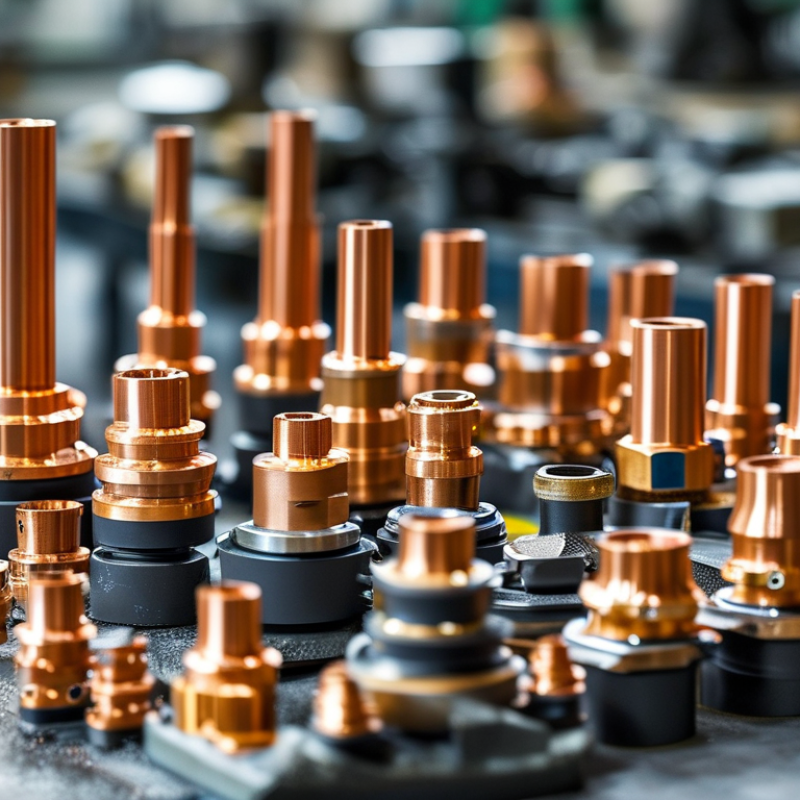
Understanding Copper Machining: A Brief Overview
Copper machining is a vital process in various industries. This material offers unique properties like excellent conductivity and corrosion resistance. According to a report from the Institute of Electrical and Electronics Engineers (IEEE), copper is the preferred choice for electrical components due to its high electrical conductivity, which is nearly 60% higher than aluminum. This makes copper machining parts indispensable for manufacturers seeking reliable performance.
The machining process involves shaping copper into precise parts for applications ranging from electronics to plumbing. The process demands expertise and specialized machinery. Furthermore, the cost of achieving high precision can be higher than that for aluminum or plastic parts. However, the long-term benefits of durability and efficiency often justify the initial investment. The Global Copper Industry Report estimates that the market will grow steadily, with a projected compound annual growth rate (CAGR) of 4.6% through 2025. This growth highlights the increasing demand for high-quality copper parts across various sectors. Despite the challenges, the advantages of copper machining parts continue to attract global buyers seeking quality and dependability.
Enhanced Conductivity: Importance in Electrical Applications
Copper has long been recognized for its superior electrical conductivity. Research shows that copper's conductivity allows it to outperform most other metals, making it crucial in electrical applications. In fact, copper can efficiently conduct electricity with a conductivity rating of 59.6 × 10^6 S/m. This property is essential for various components in electrical machinery, wiring, and electronics.
The use of copper machining parts in electrical devices ensures reliability and performance. Reports indicate that devices using copper can achieve lower energy losses. This leads to enhanced efficiency and reduced operational costs. Many industries, from automotive to renewable energy, increasingly rely on copper parts to optimize their systems. However, fluctuations in copper prices and availability can challenge this trend.
While copper's benefits are clear, sourcing high-quality copper machining parts is equally important. Quality control processes must ensure that these parts meet strict industry standards. A lack of consistency in manufacturing can lead to performance issues. Buyers need to seek out trusted suppliers who adhere to proper regulations. This diligence is crucial for maintaining the integrity of electrical applications.
Corrosion Resistance: Benefit in Harsh Environments
Copper machining parts offer significant advantages, especially in harsh environments. Their natural corrosion resistance can withstand moisture and extreme conditions. This durability is vital for industries such as marine and aerospace, where exposure to saline air is common. Corrosion can lead to equipment failure and costly repairs. Copper parts reduce these risks, ensuring reliability.
The anti-corrosive qualities of copper come from its unique metallurgical properties. They create a protective patina that further enhances longevity. Yet, not all copper parts are created equal. Some may exhibit varied performance under specific conditions. Evaluating each part’s grade is crucial. For instance, impurities can compromise physical properties and lead to unexpected failures.
Buyers must remain informed about the specific needs of their applications. Investing in high-quality copper parts can mitigate risks. However, a lack of understanding can lead to wrong choices. It’s important to balance cost with reliability to ensure effective performance over time. Copper machining is not just about the material; it’s about trusting the process and the outcomes.
Cost-Effectiveness: Savings on Material and Production
Copper machining parts offer significant cost-effectiveness for global buyers. The material itself is relatively inexpensive compared to others like titanium or stainless steel. This price advantage translates into lower production costs. When manufacturers choose copper, they often save money on raw materials. The savings can be substantial, especially for large-scale production.
Understanding the machining process can enhance your savings. Precision machining reduces waste and maximizes material usage. Investing in advanced techniques can improve accuracy and minimize errors. These strategies lead to less scrap, lowering your overall expenses.
Tip: Consider bulk purchasing to reduce costs further. Bulk buying can offer discounts and more favorable pricing. Build strong relationships with suppliers to ensure you receive competitive rates. It’s essential to evaluate the total cost of ownership. Sometimes, choosing cheaper materials can lead to higher long-term costs due to failures or replacements. Prioritize reliable materials like copper for durability.
Top 10 Benefits of Copper Machining Parts for Global Buyers - Cost-Effectiveness: Savings on Material and Production
| Benefit | Description | Estimated Savings (%) | Application Areas |
| Durability | Copper machining parts are known for their long lifespan, reducing the frequency of replacements. | 20% | Electrical Components |
| Thermal Conductivity | Excellent heat transfer capabilities enhance efficiency in thermal applications. | 15% | Heat Exchangers |
| Corrosion Resistance | Naturally resistant to corrosion, leading to lower maintenance costs. | 10% | Marine Applications |
| Machinability | Easily machined into complex shapes, reducing production time. | 25% | Automotive Parts |
| Electrical Conductivity | High electrical conductivity makes it ideal for electrical applications. | 30% | Power Connectors |
| Recyclability | Copper is 100% recyclable without loss of quality. | 5% | Sustainable Manufacturing |
| Cost Efficiency | Lower raw material costs compared to other metals. | 15% | General Manufacturing |
| Reduction in Waste | Efficient machining processes lead to lower waste generation. | 20% | Precision Engineering |
| Aesthetic Appeal | Copper parts have a visually appealing finish, enhancing product design. | 10% | Decorative Fixtures |
| Compatibility with Other Materials | Compatible with various materials, allowing versatile applications. | 15% | Mixed Material Products |
Sustainability: The Environmental Benefits of Copper Recycling
Copper recycling plays a crucial role in sustainability, offering significant environmental benefits. Studies show that recycling copper reduces energy consumption by up to 85% compared to extracting new copper from ore. This process not only conserves resources but also minimizes greenhouse gas emissions, making it a vital aspect of a greener economy.
Copper is 100% recyclable without losing quality. Recycled copper retains the same properties as newly mined copper. This means high-quality products can be made from scrap material. According to industry reports, the recycling rate for copper in the U.S. is about 50%. However, there is room for improvement. Enhancing recycling programs could lead to even higher recovery rates.
Despite its advantages, challenges remain. Many consumers still do not prioritize the recycling of copper. Awareness campaigns and educational initiatives are essential. By promoting recycling, we can close the loop on copper usage. This would lead to less mining, reduced environmental impact, and a more sustainable future. Investing in education and infrastructure is critical for maximizing the environmental benefits of copper recycling.
Top 10 Benefits of Copper Machining Parts for Global Buyers
This chart illustrates the top 10 benefits of copper machining parts for global buyers, highlighting their significance in terms of environmental sustainability, functionality, and economic efficiency.