Let Us Know How We Can Help. We Are Your Dedicated Solutions Provider.

Choosing a Wax Flaking Conveyor in 2026 requires more than comparing prices, belt widths, or advertised capacity. The right system must match wax temperature, flake thickness, cooling time, cleaning routines, and production targets. A conveyor that performs well in a dry, stable factory may struggle when humidity rises or wax begins sticking beneath the discharge point.
Dr. Elena Marlowe, an independent process-equipment consultant, explains: “A conveyor is not merely a transfer device; it controls whether your flakes remain consistent, cool, and saleable.” Her observation highlights an often-missed detail. Conveyor design influences product shape, surface quality, operator safety, and maintenance effort. Small choices matter. Scraper material, belt speed, frame clearance, and airflow can change daily performance.
This guide examines the practical factors behind a reliable Wax Flaking Conveyor, including sanitary construction, load stability, temperature control, drive selection, and cleaning access. It also considers newer 2026 expectations, such as energy monitoring, modular parts, safer guarding, and easier process data collection. However, no machine is perfect. A high-speed conveyor may increase output but create uneven cooling. A stainless-steel frame may resist corrosion but raise the purchase cost. Those trade-offs deserve honest attention before approval.
Real experience often reveals what brochures omit. Listen for rattling bearings. Watch flakes during startup. Measure the actual discharge temperature. Then compare those observations with your production goals, maintenance skills, and available floor space. The best choice is not always the most advanced model. It is the one that performs consistently under your real operating conditions.
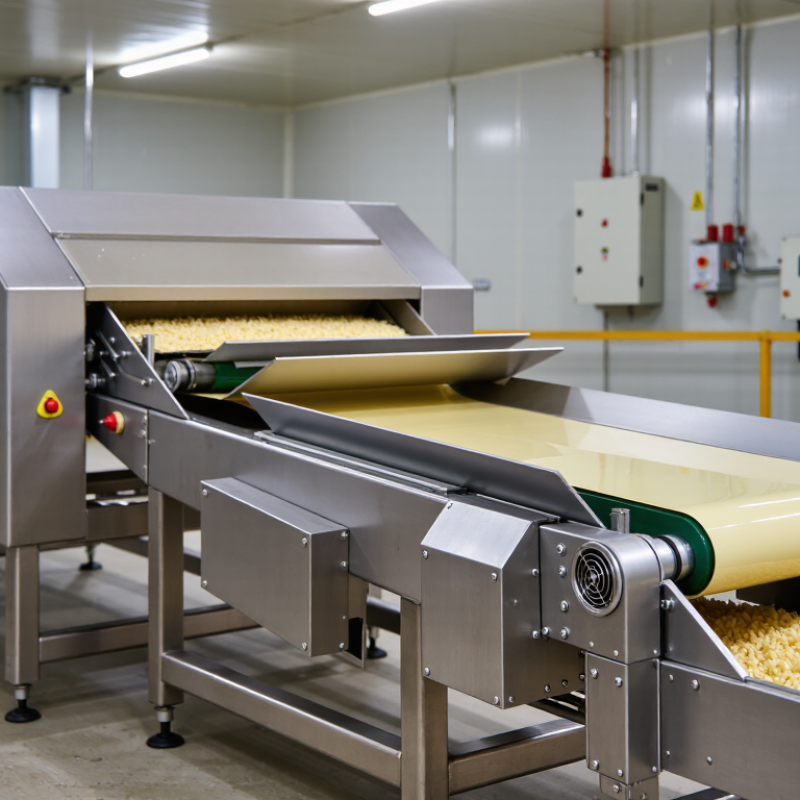
A wax flaking conveyor transfers cooled wax flakes from a flaker to storage, packing, or further processing equipment. The flaker usually pours molten wax onto a chilled rotating drum. As the wax solidifies, a scraper removes it as thin flakes. The conveyor then receives these flakes and moves them steadily through the production line.
Most systems use a belt, cleated belt, or enclosed screw conveyor. The right design depends on wax temperature, flake size, throughput, and the distance between machines. Stainless steel construction supports hygiene and corrosion resistance. Variable-speed control helps match the conveyor with the flaker. This prevents pileups, broken flakes, and uneven feeding. Operators should also check the loading point, discharge height, belt tracking, and access for cleaning. Small details matter.
Tips: Request a capacity test with your actual wax. Check whether the conveyor handles sticky flakes without bridging. Ask for belt temperature limits, emergency stops, guarding, and spare-part availability. Inspect the cleaning process, not only the catalog images. This is where many specifications look impressive, but daily maintenance tells the truth. Leave room for adjustment; real production rarely stays perfectly consistent.
How to Choose a Wax Flaking Conveyor in 2026?
Wax properties should guide the conveyor decision, not equipment appearance. Measure softening point, viscosity, moisture, bulk density, and flake size distribution. A low-softening wax may smear on warm surfaces, while brittle flakes can fracture during transfer. ASTM D1321 testing can help compare penetration behavior and hardness consistently.
Particle behavior matters too. Fine flakes may bridge inside hoppers or create dust around transfer points. Larger flakes can overload narrow chutes. A 2024 paraffin wax market analysis by Grand View Research projects annual growth above 4% through the decade, increasing pressure on stable, scalable handling systems. Still, projected growth does not justify buying excessive capacity.
Production data must be concrete. Record peak kilograms per hour, conveyor length, incline angle, cleaning frequency, and operating temperature. Leave room for surges. I would not trust brochure capacity alone; wax often behaves differently after storage. Check belt loading with your actual flakes, then inspect buildup after a full shift. A 5% moisture change can alter flow. Sometimes, the “best” conveyor needs a slower speed, better discharge geometry, or gentle heating rather than a larger motor. Temperature control is easy to overlook. That mistake is costly.
When choosing a wax flaking conveyor in 2026, compare how each design handles temperature, dust, and fragile flakes. A belt conveyor usually provides gentle movement and easy visual inspection. A screw conveyor needs closer review because compression can deform soft wax. Vibratory conveyors can spread flakes evenly, but excessive vibration may increase dust and noise. According to the 2024 MHI Annual Industry Report, 55% of supply-chain leaders expected to increase technology investment. That supports adding practical monitoring, not decorative automation.
Material selection matters. Stainless steel 304 suits many dry processing areas, while 316 may be preferable near corrosive cleaning chemicals. UHMW-PE wear strips can reduce friction at transfer points. Check the wax’s softening temperature before selecting belt covers, seals, and bearings. Small details matter here. A two-millimeter gap can trap flakes and create difficult cleaning zones. I would also request test samples, because laboratory assumptions often miss real production behavior.
Configuration should match the complete route, not only the conveyor length. Compare incline angles, transfer heights, discharge control, access doors, and cleanout time. Closed designs may control dust better, but they can hide buildup. Open frames improve inspection but demand stronger housekeeping procedures. Include variable-speed control and overload protection where practical. The U.S. Chemical Safety Board has repeatedly emphasized dust-control weaknesses in industrial incidents. Wax is not automatically harmless. My imperfect rule is simple: choose the easiest system to inspect, clean, and explain to operators. Fancy layouts often age badly.
Planning values are comparative engineering ratings rather than brand-specific performance claims. Final selection should be verified against wax melting point, flake size, bulk density, throughput, cleaning method, and operating temperature.
Choosing a wax flaking conveyor in 2026 requires more than checking capacity and belt speed. Safety, hygiene, and maintenance design should guide the decision. A guarded conveyor should prevent contact with moving parts, while interlocked covers stop motion when opened. Emergency-stop cords must remain reachable from normal working positions. Keep it visible. Clear status lights and simple alarms help operators respond before a minor fault becomes a serious incident.
For hygiene, inspect every product-contact surface closely. Smooth stainless steel, continuous welds, and rounded corners reduce wax buildup and trapped dust. Avoid deep frames and inaccessible rollers. Small gaps matter. The conveyor should support dry cleaning or validated washdown procedures, depending on the wax process. Drainage, removable scrapers, and controlled dust extraction can protect both product quality and the working area. Hygiene claims should be supported by material certificates, cleaning instructions, and documented risk assessments.
Maintenance features often decide the real operating cost. Tool-free access panels, visible belt-tracking marks, sealed bearings, and adjustable tensioners can shorten service work. Condition sensors may monitor vibration, temperature, and motor load, creating useful maintenance records. However, more sensors do not automatically mean better reliability. They need calibration and trained users. I would also request spare-parts lists, inspection intervals, and clear lockout procedures before purchase. A polished specification can still miss awkward cleaning access. Test that point with a gloved hand and a flashlight.
How to Choose a Wax Flaking Conveyor in 2026?
Cost starts with more than the purchase price. Request a five-year estimate covering electricity, belts, bearings, cleaning labor, and planned shutdowns. An inexpensive conveyor can become costly when wax builds around return rollers. Ask for energy use at your normal throughput, not only the maximum rating. Small motors matter.
Efficiency depends on wax temperature, flake size, moisture, and transfer distance. A suitable conveyor should move flakes steadily without crushing them or creating uneven piles. Request a sample trial using your actual wax. Measure kilograms per hour, product temperature, noise, and power consumption. Check whether operators can reach inspection points safely. These details often reveal weaknesses that brochures hide.
Supplier support deserves the same attention as mechanical design. Confirm spare-part availability, technical response times, installation guidance, and operator training. Ask for service records from similar applications, but verify them carefully. A polished reference is not proof of daily reliability. I once saw a technically strong system lose production because one inexpensive sensor had a long replacement delay. That experience changed how I review support plans. Get critical parts lists, maintenance drawings, warranty limits, and written commissioning responsibilities before signing. A clear test protocol can prevent arguments when actual output misses the promised figure.