Why Choose Metal Fabrication for Your Next Project?
When considering the perfect approach for your next project, Metal Fabrication stands out as a remarkable choice. This process involves transforming raw metal into functional items. It combines artistry with precision, making it an essential skill in various industries.
Metal fabrication offers durability and strength, making products suitable for a range of applications. Whether it's for construction, automotive, or even custom artwork, the versatility is impressive. A skilled fabricator can ensure each piece meets specific requirements. This attention to detail enhances both performance and longevity.
However, it’s vital to recognize that not all metal fabricators offer the same level of expertise. Researching potential partners becomes crucial for quality assurance. Standards can vary significantly, so finding reliable fabricators with a solid track record is key. Ultimately, embracing the advantages of metal fabrication can lead to exceptional results, but careful consideration cannot be overlooked.
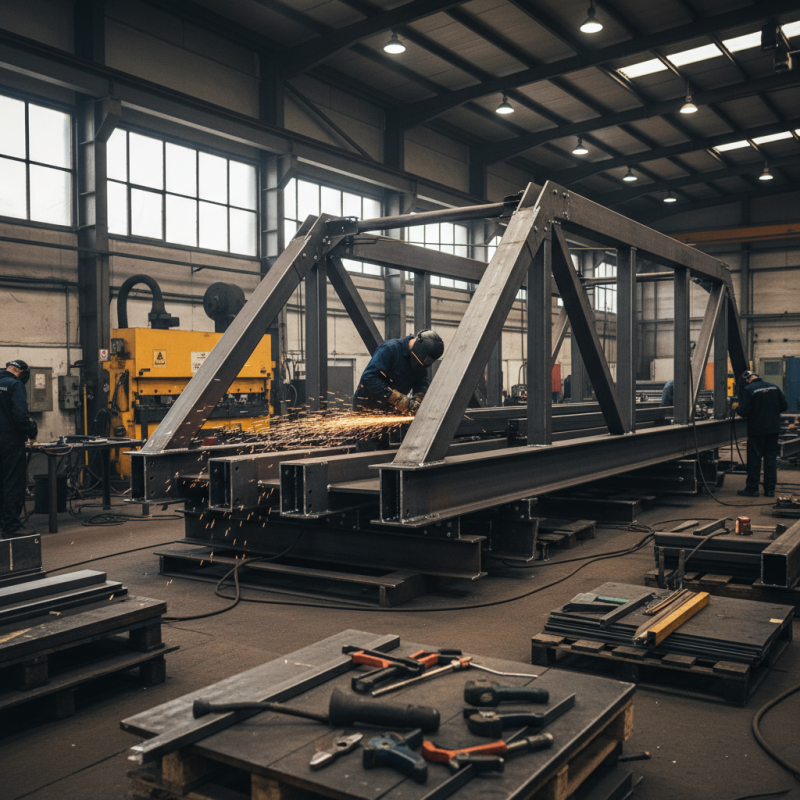
Benefits of Metal Fabrication in Various Industries
Metal fabrication plays a crucial role in various industries. This process allows for the creation of custom parts and structures. From automotive to construction, its applications are vast. Metal is known for durability and strength. These qualities make it ideal for demanding environments. For example, metal frames can withstand heavy loads and extreme conditions.
In the aerospace sector, precision is vital. Metal fabrication ensures that components meet strict safety standards. Engineers can design parts with optimal performance in mind. Mistakes in this industry can lead to serious consequences. Thus, expertise in metal fabrication is essential. The healthcare field also benefits from this technology. Surgical instruments need accuracy and reliability. Metal fabrication provides the necessary precision for these tools.
Despite its advantages, metal fabrication has challenges. Costs can be high, and skilled labor is required. Not all projects justify the investment. Some may choose cheaper alternatives that compromise quality. It’s important to weigh the pros and cons. Effective metal fabrication can lead to innovative solutions, while poor execution can result in failures. Balancing these factors is crucial for any project.
Key Processes and Techniques in Metal Fabrication
Metal fabrication is an essential process in various industries, offering diverse techniques to shape and construct metal structures. Common methods include cutting, welding, and bending. These processes allow for precise customization, tailored to specific project requirements. For example, laser cutting delivers accuracy for intricate designs, significantly reducing material waste.
Welding joins metal pieces through heat, creating strong, durable bonds. Various welding techniques, such as MIG and TIG, cater to different materials and thicknesses. Bending, on the other hand, transforms flat metal sheets into complex shapes, enhancing design possibilities. Each method has its strengths and limitations, which should be carefully considered during project planning.
Difficulty can arise when selecting the appropriate techniques for a project. Not every method may be suitable for specific materials or desired outcomes. Misjudgments could lead to delays and increased costs. Understanding the capabilities and constraints of each fabrication process becomes crucial. Gaining hands-on experience and consulting with professionals can elevate project success. Emphasizing quality and reliability in fabrication will ultimately yield better results.
Why Choose Metal Fabrication for Your Next Project?
This chart illustrates the key processes and their usage frequency in the metal fabrication industry, showcasing why metal fabrication is a preferred choice for many projects.
Cost-Effectiveness of Metal Fabrication Solutions
Metal fabrication offers a cost-effective solution for various projects. It allows industries to create custom components efficiently. The ability to tailor materials and designs can lead to significant savings. This versatility helps businesses streamline production processes and reduce material waste.
Investing in metal fabrication means fewer errors during manufacturing. Accurate measurements and precise cuts save both time and resources. However, not all fabricators deliver the same quality. Research and choose companies with a track record of reliability. High-quality work might cost more upfront but pays off in the long run.
Additionally, metal fabrication often uses easily sourced materials. This accessibility can drive down costs. However, some projects might create unexpected challenges. Material prices fluctuate, impacting the final budget. It’s crucial to stay informed about market trends to anticipate potential changes. Careful planning and consideration can mitigate these risks and lead to successful outcomes.
Why Choose Metal Fabrication for Your Next Project? - Cost-Effectiveness of Metal Fabrication Solutions
| Project Type | Material Cost ($/kg) | Labor Cost ($/hour) | Production Time (hours) | Total Estimated Cost ($) |
| Structural Beam Fabrication | 3.00 | 25 | 40 | 1200 |
| Custom Metal Brackets | 2.50 | 30 | 20 | 600 |
| Sheet Metal Enclosures | 2.00 | 20 | 15 | 450 |
| Metal Furniture Design | 4.00 | 35 | 25 | 850 |
| Metal Art Installations | 5.00 | 40 | 30 | 1200 |
Customization and Versatility of Metal Fabrication
Metal fabrication offers remarkable customization options and versatility for various projects. Designers can easily alter dimensions, shapes, and materials to meet specific needs. This flexibility enables the creation of unique pieces tailored for individual requirements, whether in architecture, automotive, or manufacturing sectors.
The process allows for a broad range of techniques, such as cutting, welding, and bending. These methods create complex structures or simple components, enhancing creativity. However, challenges like ensuring precise measurements can arise during the fabrication process. Data entry errors or miscalculations can lead to costly adjustments, reminding us of the importance of attention to detail.
Choosing metal fabrication also means working with skilled professionals. Their expertise ensures that projects meet quality standards and specifications, yet even experienced fabricators can encounter unexpected issues. The interplay of creativity and technicality makes metal fabrication a compelling choice for your next project. It encourages innovation while requiring careful planning and execution.
Sustainability and Environmental Impact of Metal Fabrication
Metal fabrication plays a crucial role in promoting sustainability. This process allows for the efficient use of materials, which reduces waste. By working with metals, companies can create durable products that last longer than those made from other materials. This longevity means fewer replacements and less waste in landfills.
Recycling is another key aspect of metal fabrication. Metals can be melted down and reused without losing quality. This closed-loop system contributes to a decrease in the need for raw material extraction. It minimizes energy consumption and lowers greenhouse gas emissions. However, the industry must address energy-intensive processes and seek renewable energy solutions.
Moreover, choosing metal fabrication can enhance eco-friendly designs. Innovative techniques can create lighter structures, leading to lower energy usage. On the flip side, there are challenges in balancing design ambitions with practical sustainability measures. Companies often grapple with these complexities as they strive to meet both aesthetic and environmental goals. Addressing these dilemmas is vital for a truly responsible approach to metal fabrication.