How to Source Printed Circuit Boards Efficiently?
In the fast-paced world of electronics, sourcing printed circuit boards (PCBs) efficiently is critical. According to Dr. Sarah Thompson, a leading expert in PCB design, “Mastering the art of sourcing PCBs can significantly reduce production costs.” This statement underscores the importance of strategic procurement in the PCB industry.
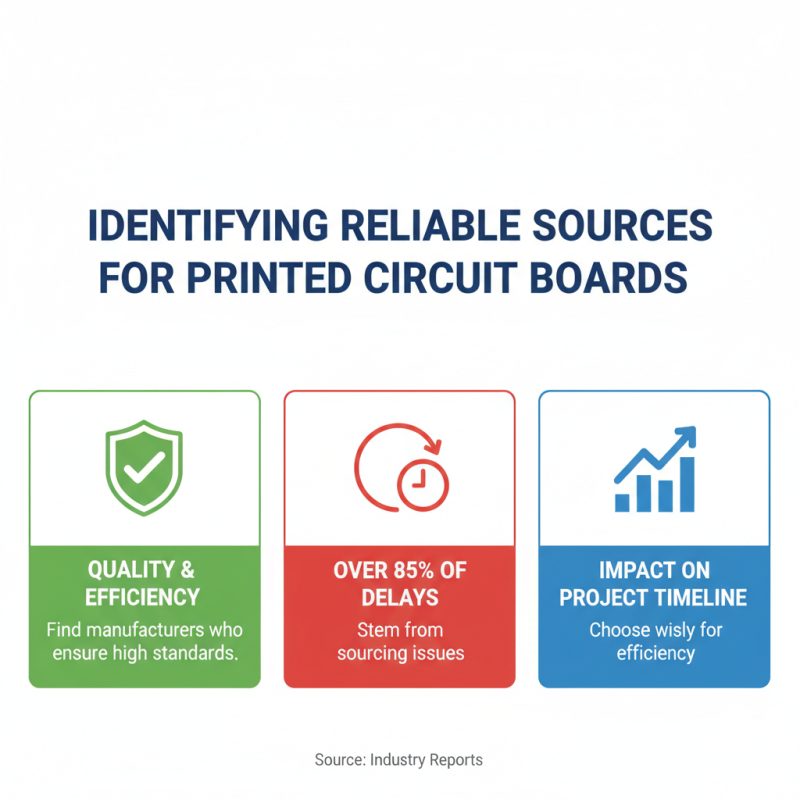
Finding reliable suppliers is crucial. Many companies face challenges such as high costs and long lead times. By adapting to market demands and fostering relationships with manufacturers, businesses can streamline their processes. However, some still struggle to establish these connections. Trust is not easily built, especially in a global market.
Additionally, navigating the myriad of material options can be overwhelming. Multiple factors, including quality and sustainability, must be considered. Some companies overlook these aspects, leading to subpar results. Rethinking sourcing strategies can pave the way for improved efficiency and innovation in printed circuit board production.

Understanding Printed Circuit Boards and Their Importance
Printed circuit boards (PCBs) are essential components in today's technology. They connect various electronic parts and enable them to function together. Understanding their structure and manufacturing process is vital for anyone involved in electronics. PCBs come in different types, such as single-sided and multi-layered versions, each serving different purposes. They are crucial for minimizing space while maximizing electrical performance.
The importance of PCBs cannot be overstated. They serve as the backbone of most electronic devices, from smartphones to medical equipment. Their reliability is paramount, as any failure can lead to significant consequences. Choosing the right PCB involves considering factors like material quality and design complexity. It's not always straightforward, and mistakes can be costly.
As the demand for advanced technology grows, so does the need for innovative PCB solutions. However, sourcing boards efficiently presents challenges. It often requires balancing cost and quality while keeping production timelines tight. A reflective approach to sourcing can lead to better decisions. Assessing potential suppliers and materials can reveal strengths and weaknesses in the process. By understanding PCBs comprehensively, one can navigate these challenges more effectively.
Evaluating Cost and Quality of Printed Circuit Boards
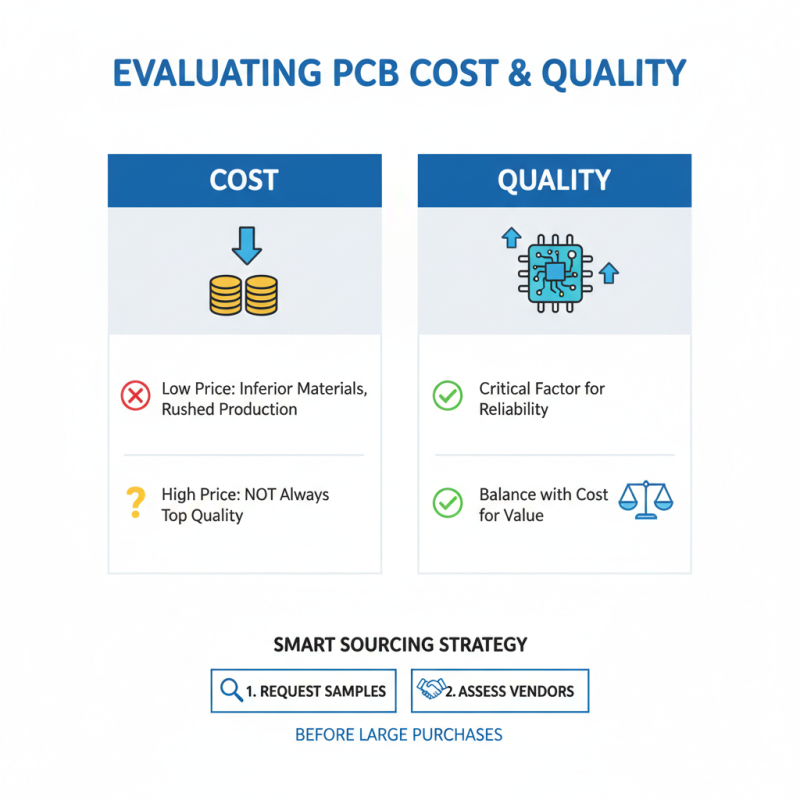
When sourcing printed circuit boards (PCBs), cost and quality are critical factors. Balancing these elements requires a thorough evaluation. A low price may signal inferior materials or rushed production processes. On the other hand, high costs don’t always guarantee top-notch quality. Vendors should provide samples for assessment before making large purchases.
Quality control is paramount. Look for certifications that demonstrate adherence to industry standards. Inspect manufacturing processes and ask about defect rates. Engage with suppliers who have a proven track record. References from previous clients can shed light on their reliability. Regular audits of production facilities can reveal potential issues.
Sometimes, compromises must be made. A slightly higher price may ensure better durability and performance. Evaluate your design needs carefully. A PCB with complex requirements may necessitate specialized manufacturers. In the end, the goal is a PCB that meets specifications at a reasonable cost. Reflect on past sourcing experiences, as they can guide future decisions.
Establishing Strong Communication with Suppliers
Effective communication with suppliers is crucial when sourcing printed circuit boards (PCBs). Many businesses overlook this aspect, which can lead to significant delays and increased costs. A recent survey from IPC found that 70% of respondents considered poor supplier communication a primary hurdle in their PCB procurement processes. Establishing a clear line of communication helps in addressing issues rapidly and ensures that project timelines are met.
Building relationships with suppliers requires regular updates and feedback loops. Often, manufacturers might not fully understand the specifications or quality requirements of the PCBs requested. Taking the time to clarify expectations can prevent material mismatches. For instance, a study from the International Journal of Production Research noted that companies with strong supplier relationships reported 20% fewer production errors. Choose your communication methods wisely. Whether through video calls or detailed emails, fostering an environment of transparency is essential.
However, creating open communication channels is not always easy. Logistical challenges can arise, especially with international suppliers. Miscommunication can occur due to language or cultural barriers. It's important to acknowledge these potential pitfalls and actively work to bridge them. Effective communication strategies must be adaptable and focus on relationship-building, not just transactional exchanges.
PCB Sourcing Efficiency Analysis
Ensuring Timely Delivery and Efficient Logistics for PCB Orders
When sourcing printed circuit boards (PCBs), timely delivery and logistics are critical. Industry reports indicate that delays in PCB supply can lead to significant project setbacks. In fact, over 40% of electronics companies experience challenges with lead times, which can result in missed market opportunities.
Managing logistics efficiently is key to preventing these delays. It is crucial to partner with suppliers who have robust tracking systems. This allows for real-time updates on order status. Implementing just-in-time inventory can also help minimize bottlenecks. Utilizing advanced software for inventory management can ensure that stock levels are optimized.
Tips for improving PCB procurement include:
- - Evaluate suppliers based on their delivery performance metrics.
- - Maintain open communication to address potential issues early.
- - Consider regional suppliers to reduce shipping times.
Relying solely on cost can be risky.
Quality issues can arise from selecting the cheapest option. It's vital to weigh the trade-offs between cost and reliability. Sometimes, maintaining consistency with certain suppliers pays off in the long run.