What is a Pressure Reducing Regulator and How Does It Work?
Pressure Reducing Regulators (PRRs) are crucial in managing fluid pressure in various industries. These devices ensure safety and efficiency in systems where high pressure can lead to failures. According to a report by the Global Pressure Regulator Market Analysis, the demand for PRRs is expected to reach $2 billion by 2025, highlighting their importance.
Industry expert Dr. Mark Thompson stated, "Effective pressure reduction is vital for operational safety and longevity." This underscores the role of PRRs in protecting equipment and enhancing process efficiency. They stabilize fluctuating pressures, protecting downstream components from potential damage.
However, PRRs can sometimes fail if not properly maintained. It is essential to regularly assess their performance. Insights into pressure fluctuations and system behavior can lead to better designs. It's important to recognize that even the most reliable regulators require monitoring and thoughtful integration into systems. This ensures they continue to perform at optimal levels.
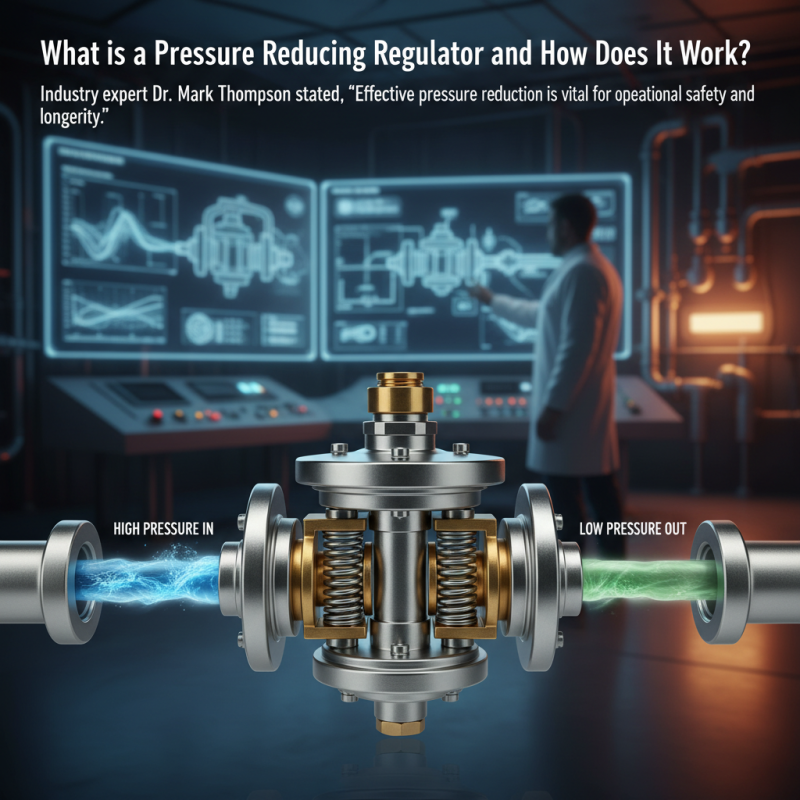
What is a Pressure Reducing Regulator?
A pressure reducing regulator is a vital component in many fluid systems. It ensures that downstream pressure remains consistent, regardless of fluctuations in the supply line. This consistency is crucial for maintaining system efficiency and safety. According to industry reports, improper pressure can lead to equipment failure and increased energy costs.
These regulators work by automatically adjusting the flow of the fluid. When upstream pressure exceeds a predetermined level, the regulator reduces it to the desired set point. This mechanism not only protects delicate equipment but also optimizes operational performance. Interestingly, many facilities overlook the importance of routine maintenance. Neglecting to check these regulators can result in inefficiencies.
The failure to properly calibrate these devices often leads to turbulence. Turbulence can cause wear and tear on components, raising long-term costs. Additionally, pressure variations can create unstable conditions for processes relying on precise measurements. Investments in pressure reducing regulators are not just about compliance; they can yield a notable return on investment through improved reliability.
Importance of Pressure Reducing Regulators in Various Applications
Pressure reducing regulators play a critical role across various industries. They ensure the safe and efficient operation of systems that rely on gas or liquid delivery. These regulators adjust the pressure levels, helping to maintain a consistent flow. This is especially vital in applications like aerospace, chemical processing, and oil and gas.
In the healthcare sector, accurate pressure regulation is crucial. It delivers the right dosage of gases for patient care. If improperly calibrated, it could lead to serious health risks. Similarly, manufacturing processes often depend on steady pressure for optimal performance. Fluctuations can cause equipment failure or product defects. As such, even a minor oversight in pressure regulation can result in significant production challenges or safety concerns.
Moreover, many are unaware of the maintenance required for these regulators. Neglect can lead to inefficient performance or leaks. Regular checks and updates are necessary but often overlooked in busy environments. Proper education on their significance can enhance safety and efficiency. Understanding the drawbacks of improper regulation is essential for all industries relying on precise pressure control.
How Pressure Reducing Regulators Function Mechanically
A pressure reducing regulator is crucial for managing gas and liquid pressures. These devices ensure that the output pressure remains stable, regardless of fluctuations in the inlet pressure. Essentially, they act like automatic valves. The regulator monitors the pressure and adjusts the flow accordingly.
Mechanically, a pressure reducing regulator often relies on a diaphragm to sense the downstream pressure. When the pressure exceeds a preset limit, the diaphragm moves to close the valve, restricting flow. This system can help maintain optimal pressure levels within various applications, from gas distribution to certain industrial processes. According to industry reports, properly functioning regulators can reduce energy costs by 10% to 30%.
Tips: Regular maintenance is vital. Check for leaks and ensure that the diaphragm is clean. A small debris can affect performance. Remember, even minor adjustments in pressure can yield significant savings. In some cases, operators overlook recalibration. This can lead to inefficient operation and increased costs. Always address these issues promptly to maintain efficiency.
What is a Pressure Reducing Regulator and How Does It Work?
| Feature | Description | Typical Applications |
| Function | Regulates and reduces high pressure to a lower, usable level. | Gas delivery systems, water distribution networks. |
| Components | Includes inlet and outlet ports, diaphragm, spring, and adjustment mechanism. | Industrial applications, HVAC systems, laboratories. |
| Operating Principle | Uses a spring-loaded diaphragm that opens and closes based on pressure changes. | Aerospace, automotive, and fuel systems. |
| Types | Single-stage, dual-stage, and recreational types exist based on the application. | Household appliances, chemical processing. |
| Benefits | Enhances safety by preventing excess pressure, maintains system efficiency. | Snowmaking, irrigation systems, and oil refineries. |
Types of Pressure Reducing Regulators and Their Uses
Pressure reducing regulators (PRRs) play a crucial role in various industries by controlling and reducing high-pressure gas or liquid to a usable level. These devices come in different types, suitable for specific applications. The three main types are single-stage, two-stage, and back-pressure regulators. Each type serves distinct purposes in regulating pressure, ensuring safety and efficiency.
Single-stage regulators are ideal for low-pressure applications. They provide a quick response to pressure changes, but they can have fluctuations. Two-stage regulators, on the other hand, offer more stability. They reduce the pressure in two steps, minimizing pressure drop. Back-pressure regulators maintain system pressure, allowing excess fluid to drain away. These types are extensively utilized in industries ranging from pharmaceuticals to oil and gas, where precise pressure control enhances operational safety.
According to industry reports, approximately 70% of manufacturers consider pressure regulation crucial for process efficiency. However, many overlook the importance of regular maintenance. Neglect can lead to failures, safety hazards, and costly downtimes. Investing in high-quality pressure reducing regulators is essential. Yet, poor choices can lead to significant losses. Regular assessments of these devices can uncover inefficiencies, prompting necessary adjustments and ensuring optimal performance.
Common Issues and Maintenance Tips for Pressure Reducing Regulators
Pressure reducing regulators (PRRs) are essential for maintaining stable pressure in gas systems. However, they can encounter common issues affecting their performance. Leaks, for instance, can lead to pressure drops and inefficiencies. A study indicated that up to 30% of systems using aging regulators face leak problems. Observing connections regularly can prevent potential issues.
Another issue is clogging, which often stems from dirt or debris buildup. When the inlet filter is dirty, it can restrict flow and hinder performance. Changing the filter every six months is a good practice to avoid this. Cleaning the regulator's internals can also enhance its efficiency.
Tips: Regular maintenance is key. Inspect your regulator at least quarterly. Look for rust or corrosion, which can signal a problem. If you notice anything unusual, address it promptly. This can prevent larger failures down the line. Ensure that all connections are tight and leak-free. With proper care, a pressure reducing regulator can function efficiently for years.