What is a Thermal Shock Test Chamber and Why is it Important?
The Thermal Shock Test Chamber is a crucial tool in material testing. It exposes materials to rapid temperature changes, simulating extreme environmental conditions. Dr. Emily Chen, a leading expert in materials science, states, "Understanding how materials behave under thermal stress is vital for product longevity." This highlights the necessity of thermal shock testing.
Industries rely on the Thermal Shock Test Chamber to ensure the reliability of their products. Electronics, aerospace, and automotive sectors use it to assess performance under stress. The importance lies in identifying potential failures before products reach the market. However, it's not foolproof. Some materials still fail unexpectedly under real-world conditions. Continuous research and improvement are essential in these testing methods.
The insights gained from using a Thermal Shock Test Chamber can save companies time and money. Yet, it is vital to remain cautious about the test's limitations. Over-reliance on these tests could lead to overlooking other critical factors affecting material performance.
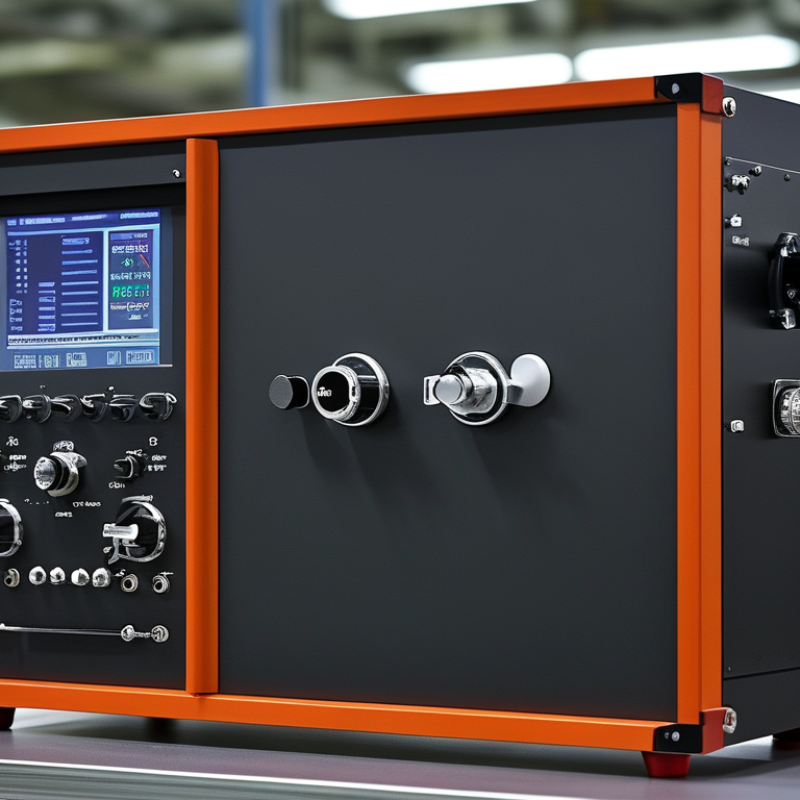
What is a Thermal Shock Test Chamber?
A thermal shock test chamber is a specialized equipment designed to evaluate the effects of rapid temperature changes on materials and components. This chamber simulates extreme temperature fluctuations, exposing test samples to both high and low temperatures in a controlled environment. By doing so, it helps identify potential weaknesses or failures in materials when subjected to thermal stress.
Understanding the mechanics of a thermal shock test chamber is crucial for industries that rely on durable materials. Testing can reveal how materials respond to conditions they might face in real-world applications. For instance, electronic devices often undergo this testing to ensure they can withstand harsh environmental conditions. The key is in creating a realistic setting that replicates potential stresses.
However, establishing these tests can be challenging. Factors like sample size and temperature range can affect results. Sometimes, the tests may not replicate all real-world conditions. This can lead to questions about the test results' reliability. It’s important for industry professionals to continuously reflect on and refine their testing processes.
Key Components of a Thermal Shock Test Chamber
A thermal shock test chamber is vital for evaluating material durability under extreme temperature changes. This chamber simulates rapid shifts in temperature, exposing products to heat and cold. It helps manufacturers identify weaknesses in design or materials. Knowing how components react can save time and money in development.
Key components of a thermal shock test chamber include the heating and cooling systems, temperature sensors, and control units. The heating system quickly raises temperatures, while the cooling system does the opposite. These systems work in tandem to create rapid transitions. Reliable temperature sensors ensure accuracy during tests, which is crucial for valid results. Control units manage all aspects, ensuring seamless operation.
There can be challenges in designing these chambers. Sometimes, they fail to maintain consistent temperatures. Users must be vigilant about calibration. Testing protocols also require careful documentation. Each detail matters to ensure the reliability of tests. Understanding these components is essential for effective testing and quality assurance.
How Thermal Shock Tests are Conducted
Thermal shock tests are critical in assessing the reliability of materials and components. Conducted within a thermal shock test chamber, these tests expose samples to extreme temperature variations. Typically, samples undergo rapid shifts from high to low temperatures, simulating real-world conditions. The temperature can range from -40°C to +150°C, depending on specific testing standards. According to industry reports, 70% of failures in electronics are related to thermal stress.
The process involves placing the item in a chamber where it's subjected to sudden temperature changes. This might include spending a short time in a hot environment before quickly moving to a cold one. The temperature change occurs within minutes, simulating drastic conditions. This methodology enhances the understanding of material integrity under stress. However, not all materials can withstand such tests. Some might fail catastrophically, highlighting design flaws or material weaknesses.
When preparing for thermal shock testing, ensure samples are well-prepared. Inspect them for pre-existing defects. Even minor imperfections can lead to significant failures during testing. It's essential to recognize that not every material will perform well under extreme conditions. Data suggests a substantial percentage of materials may not pass when subjected to these tests. Understanding these dynamics is vital for product development and quality assurance.
What is a Thermal Shock Test Chamber and Why is it Important? - How Thermal Shock Tests are Conducted
| Test Parameter | Description | Importance | Typical Range |
| Temperature Range | The minimum and maximum temperatures that the chamber can achieve. | Determines the materials' resistance to extreme temperature changes. | -60°C to 150°C |
| Cycle Time | The time it takes to transition between extreme temperatures. | Ensures test efficiency and represents real-world conditions. | 5 to 10 minutes |
| Humidity Control | The ability to control humidity levels during the test. | Tests durability in humid environments, important for electronic devices. | 20% to 95% RH |
| Sample Size | The dimensions or mass of the samples being tested. | Influences the accuracy of the testing results. | Up to 100 mm (length) for small parts |
| Data Logging | Recording temperature, time, and humidity data during tests. | Essential for analyzing performance and verifying results. | Continuous logging during the entire cycle |
Applications of Thermal Shock Testing
Thermal shock testing serves various industries. This process evaluates how materials respond to rapid temperature changes. It’s crucial for industries such as electronics, aerospace, and automotive. These sectors require materials that can withstand extreme conditions.
In the electronics field, components face thermal cycling due to heat generated during operation. Testing ensures they do not fail. For aerospace, parts endure drastic temperature shifts during flights. They must remain functional at both high altitudes and on the ground.
Thermal shock testing also finds applications in materials research. Researchers examine how different materials handle thermal stress. This information helps in developing innovative products. However, challenges arise. Some materials might show unexpected weaknesses. Continuous testing and analysis are necessary to discover these vulnerabilities and improve performance.
Temperature Fluctuation in Thermal Shock Testing
Thermal shock testing is essential for determining the durability of materials under extreme temperature changes. The chart above illustrates the resistance of materials to thermal shock at various temperatures, indicating the number of cycles the samples can withstand. Understanding these resistances helps manufacturers predict material performance in real-world applications.
Importance of Thermal Shock Testing in Quality Control
Thermal shock testing plays a crucial role in quality control across various industries. This testing process evaluates a material's durability when subjected to sudden temperature changes. According to a report from the International Society of Automation, nearly 30% of product failures in electronics stem from thermal stress. This highlights the importance of thermal shock testing to ensure reliability and longevity.
The results from thermal shock tests provide actionable insights. In the aerospace industry, materials must withstand extreme conditions. Data shows that components failing this test could lead to catastrophic failures. Quality assurance teams rely on these tests to confirm that products meet strict aerospace standards. Moreover, the benefits extend beyond safety; companies that invest in rigorous thermal shock testing often see a 15% increase in customer satisfaction ratings.
However, not all thermal shock tests yield perfect outcomes. Some materials may perform adequately under test conditions but fail in real-world applications. This discrepancy can lead to unforeseen costs and project delays. Continuous refinement of testing methods is essential to enhance accuracy and reliability. Organizations must not only invest in advanced thermal shock test chambers but also regularly review their testing protocols.