Let Us Know How We Can Help. We Are Your Dedicated Solutions Provider.

China is becoming a testing ground for smarter cosmetic packaging solutions. Its market combines fast product launches, advanced manufacturing, and demanding consumers. McKinsey & Company estimates that the global beauty market could reach about $590 billion by 2028. This growth increases pressure on brands to reduce packaging waste without weakening product protection.
Recent Grand View Research data places the global cosmetic packaging market at more than $30 billion. It also forecasts steady growth through 2030. China’s packaging suppliers are responding with refillable airless pumps, mono-material tubes, lightweight glass bottles, and post-consumer recycled plastics. These formats are visible on store shelves and in livestream salesrooms. Their value is practical: better dose control, fewer broken containers, and clearer recycling pathways.
Ellen MacArthur, founder of the Ellen MacArthur Foundation, has stated, “We cannot recycle our way out of plastic pollution.” Her warning matters for cosmetic packaging solutions. Recyclability alone does not solve excessive material use, difficult labels, or mixed components. Refill systems may reduce waste, but they require convenient collection and reliable hygiene controls. PCR plastic can lower virgin-material demand, yet its color and supply consistency remain imperfect.
That uncertainty deserves attention.
This guide compares leading Chinese approaches through material efficiency, usability, manufacturing experience, and end-of-life potential. It also considers evidence from market reports, supplier capabilities, and real packaging details. Not every attractive package is a responsible choice. A glossy bottle may feel premium while creating unnecessary weight. The strongest solution depends on the formula, distribution route, consumer habits, and verified recovery infrastructure.
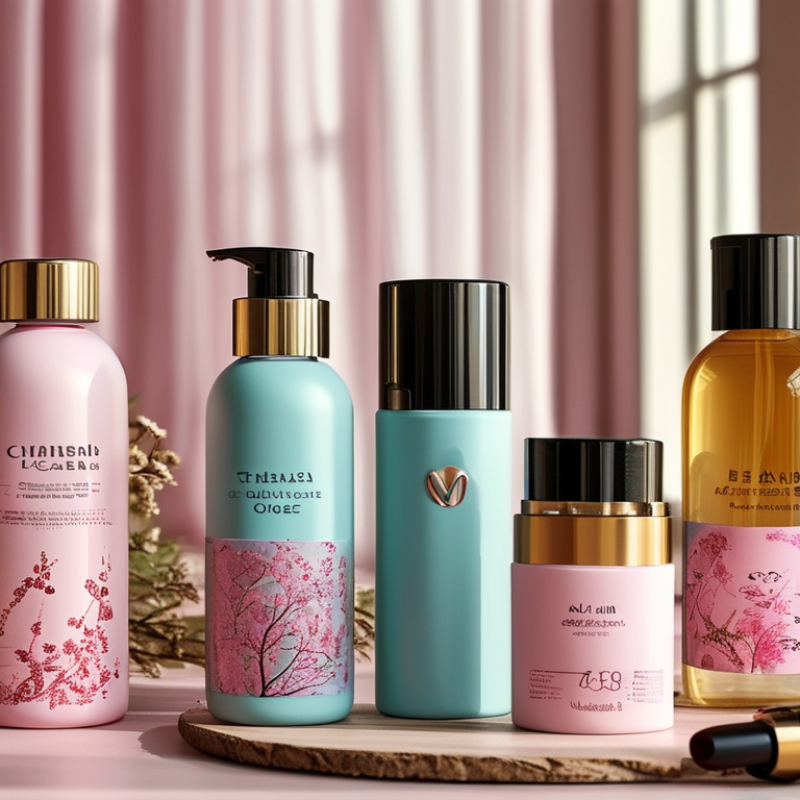
China’s cosmetic packaging market serves a broad range of products, from facial serums to solid cleansers. The National Bureau of Statistics reported that China’s cosmetics retail sales reached RMB 414.2 billion in 2023, rising 5.1% year on year. This growth supports demand for several packaging formats.
Rigid packaging remains common. Glass bottles provide weight, clarity, and strong barrier protection for oils and fragrances. Plastic airless pumps help reduce product exposure to air. Tubes suit creams, masks, and travel-sized products. Jars offer wide openings, but they can increase contact with fingers. This detail matters for formulas sensitive to contamination.
Flexible packaging is expanding, especially for refill pouches and sample sachets. Paper-based cartons still protect products during transport and provide space for required information. According to Smithers’ 2024 sustainable-packaging analysis, lightweighting, recycled content, and improved recyclability are major development priorities. However, “recyclable” does not always mean widely recyclable in practice. Local collection systems remain uneven across China. That weakness deserves more attention.
Packaging specialists usually assess barrier performance, closure quality, filling compatibility, and transport durability before choosing materials. A beautiful package can still fail if its pump clogs or its cap leaks. Material reduction helps, but excessive thinness may create breakage and customer complaints.
China’s cosmetic packaging sector offers glass jars, plastic bottles, aluminum containers, tubes, and refillable systems. Each material creates a different user experience and production challenge. Glass feels premium and resists many formulas, but it adds weight and breakage risk. Aluminum is light and protective, although inner coatings require careful compatibility testing. Polypropylene and polyethylene support flexible shapes, reliable sealing, and efficient mass production.
Post-consumer recycled plastic is gaining attention in bottles and caps. Its color can vary slightly between batches. That matters. Clear packaging usually requires tighter material screening. For pumps and airless containers, engineers test dosage accuracy, spring movement, leakage, and chemical resistance. A small mismatch between the piston and inner wall can affect product delivery.
Manufacturing normally combines injection molding, extrusion, compression molding, surface treatment, printing, and assembly. Injection molding forms precise caps and pump parts. Extrusion creates continuous tubes, which are later cut, sealed, decorated, and tested. Factories may use hot stamping, silk screening, water transfer, or spraying for visual effects. Quality teams check dimensions, torque, drop resistance, color consistency, and seal performance. A practical factory audit should also review mold maintenance and production records. One overlooked weakness is decoration durability; attractive printing can still fade after repeated handling. Packaging decisions sometimes favor appearance too quickly, while filling-line speed and recycling limits receive less attention.
China’s cosmetic packaging sector is moving toward sharper customization and stronger visual identity. The National Bureau of Statistics reported China’s cosmetics retail sales at about RMB 414.2 billion in 2023, up 5.1% year on year. This growth creates room for packaging that feels distinctive, not merely decorative. Common options include frosted glass, soft-touch coatings, embossed logos, colored pumps, and refillable inner containers. Small details matter.
Customization should begin with the product formula and user experience. Airless pumps can protect sensitive creams from repeated exposure. Lightweight tubes reduce shipping weight and improve handling. For premium lines, aluminum components, magnetic closures, and fine hot stamping can create a heavier tactile impression. Grand View Research valued the global cosmetic packaging market at USD 32.83 billion in 2022, with projected growth from 2023 to 2030. That trend supports investment in flexible packaging systems, but it does not justify unnecessary complexity.
Branding also depends on production accuracy. Chinese packaging suppliers can support low-volume sampling, color matching, silk screening, and rapid mold development. Buyers should request compatibility tests, closure-cycle testing, migration documentation, and print rub resistance before mass production. A beautiful package can still fail at the cap.
Sustainability needs more honest thinking. Refillable designs may reduce material use, but only when customers actually reuse them. A thick decorative bottle is not automatically responsible. I would compare recycled content, transport weight, recyclability, and supplier certifications instead of trusting surface claims. Not every custom feature adds value.
| Packaging Solution | Typical Product Applications | Common Materials | Customization and Branding Options | Decoration Methods | Sustainability Options | Typical Capacity Range | Indicative Customization Lead Time |
|---|---|---|---|---|---|---|---|
| Airless Pump Bottle | Serums, lotions, creams, eye treatments and preservative-sensitive formulas | PP PET Acrylic PCR plastic | Custom bottle shape, actuator color, collar finish, overcap, logo placement and dual-chamber construction | Silk screening, hot stamping, UV printing, metallization, color coating and label application | Post-consumer recycled content, reduced-weight components, refillable inner cartridges and mono-material designs | 15–100 ml | Approximately 30–60 days after artwork and specifications are approved |
| Cosmetic Tube | Facial cleansers, hand creams, sunscreens, masks and travel-size products | PE PP Laminated plastic Aluminum | Custom tube diameter, shoulder design, cap style, nozzle size, color system and printed artwork | Flexographic printing, offset printing, digital printing, hot stamping and soft-touch coating | Post-consumer recycled PE, recyclable mono-material PE tubes, lightweight caps and aluminum tubes | 5–250 ml | Approximately 25–50 days for standard tube formats |
| Glass Dropper Bottle | Facial oils, essential-oil blends, high-value serums and concentrated treatments | Clear glass Amber glass Frosted glass PP Silicone | Custom glass color, dropper bulb color, collar finish, pipette length, label shape and secondary carton design | Screen printing, ceramic printing, frosting, spraying, hot stamping and pressure-sensitive labels | Recycled glass content, lightweight glass, paper-based labels and recyclable closure components | 5–50 ml | Approximately 30–60 days, depending on glass decoration and tooling |
| Cream Jar | Face creams, sleeping masks, body butters, scrubs and balm products | Glass PP PET Acrylic | Custom jar profile, wall thickness, inner liner, lid design, insert, spatula and decorative color matching | Screen printing, hot stamping, electroplating, frosting, water transfer printing and labels | Refillable jar systems, recycled glass, PCR plastic and lightweight component design | 15–200 ml | Approximately 30–60 days for customized decoration |
| Fine-Mist Spray Bottle | Facial mists, toners, body sprays, hair products and fragrance-related applications | PET PP HDPE Glass | Custom bottle silhouette, spray actuator, overcap, color, label panel and tamper-evident features | Silk screening, offset printing, UV printing, metallization, coating and shrink-sleeve labeling | PCR PET, lightweight PET, recyclable mono-material components and refillable spray systems | 30–250 ml | Approximately 25–50 days for standard components and decoration |
| Cushion Compact | Liquid foundation, BB cream, CC cream, concealer and portable complexion products | ABS PP PET Aluminum pan | Custom compact geometry, mirror, puff, inner refill pan, clasp, logo treatment and color-matched components | UV printing, hot stamping, spray coating, metallization, laser engraving and custom inserts | Refillable compacts, recycled plastic content, replaceable pans and reduced decorative layers | 8–20 g | Approximately 45–75 days when molds or custom mechanisms are required |
| Lipstick and Balm Case | Lipstick, lip balm, tinted balm, lip treatment and solid cosmetic formats | PP ABS Aluminum Paperboard | Custom case shape, magnetic closure, component color, bullet profile, cap finish and bottom label | Metal coating, anodizing, hot stamping, screen printing, laser engraving and paper wrapping | Aluminum cases, recycled plastic, paper-based outer packs and refillable mechanisms | 3–5 g | Approximately 45–75 days for custom mechanisms or tooling |
| Paperboard Folding Carton | Secondary packaging for bottles, jars, tubes, compacts and gift sets | FSC paperboard Recycled board Specialty paper | Custom dimensions, structural inserts, window cutouts, opening style, multilingual panels and batch coding areas | Offset printing, digital printing, embossing, debossing, foil stamping, spot coating and matte or gloss varnish | FSC-certified fibers, recycled board, plastic-free finishes, water-based coatings and optimized flat-pack structures | Product-specific | Approximately 15–35 days after final artwork approval |
| Refill Pouch | Shampoo, body wash, cleanser, lotion and other high-volume liquid products | PE film PP spout Multi-layer laminate | Custom pouch size, spout position, tear notch, resealable closure, artwork and dispensing format | Rotogravure printing, flexographic printing, digital printing and matte or gloss finishing | Mono-material PE structures, reduced material usage, high recycled content where technically suitable and recyclable spouts | 100–1,000 ml | Approximately 25–50 days for printed pouch production |
| Single-Use Sachet | Samples, masks, creams, cleansers, hair treatments and hotel or travel amenities | PE PET/PE laminate Aluminum laminate Paper laminate | Custom sachet dimensions, tear-notch position, multi-language artwork, sample quantity and filling volume | Rotogravure printing, flexographic printing, digital printing and spot-color matching | Lower-material film structures, recyclable mono-material films and paper-based formats where product compatibility allows | 1–30 ml | Approximately 20–45 days after film artwork approval |
Note: Capacity ranges and lead times are indicative industry ranges for common cosmetic packaging formats in China. Actual results vary according to material selection, tooling requirements, decoration complexity, order quantity, formula compatibility, testing and regulatory specifications.
What Are the Top Cosmetic Packaging Solutions in China?
Sustainable and Eco-Friendly Packaging Solutions
China’s cosmetic packaging sector is shifting toward lighter, recyclable, and refillable formats. Mono-material PP or PE jars simplify sorting and recycling. Recycled plastic can reduce virgin resin demand, while molded pulp works well for outer cartons and protective inserts. Glass remains suitable for premium creams, but its weight increases transport emissions. The best option depends on the product, supply chain, and local recycling access.
According to the OECD’s Global Plastics Outlook, only 9% of plastic waste was recycled globally in 2019. This figure exposes a serious packaging weakness. Designers in China are therefore testing PCR content, water-based inks, and removable labels. UNEP’s 2023 Turning off the Tap report says plastic pollution could fall by 80% by 2040 through reuse, recycling, and reduced consumption. Refill pouches and replaceable inner cartridges can support that direction, especially for high-volume skincare products.
Still, sustainable packaging is not automatically sustainable. A refill system may fail if customers cannot return or clean the container easily. Bamboo components can also create mixed-material structures that complicate recycling. In practice, packaging teams should measure material weight, recycled content, transport distance, and end-of-life performance. Small details matter. A thinner pump, fewer coatings, or a clearly separable cap may deliver more value than an attractive “green” finish. China’s strongest solutions will combine verified data with practical consumer behavior, not promises alone.
This comparative index evaluates how many circular-design attributes each solution can support: material reduction, refillability, mono-material construction, recycling compatibility, and alignment with China’s excessive-packaging requirements. The score is a design-screening indicator, not a market-share measurement.
A higher score indicates stronger potential for sustainable cosmetic packaging development. Actual performance depends on product protection, local collection systems, infrastructure, and packaging design.
China offers many cosmetic packaging solutions, including airless pumps, glass jars, aluminum tubes, and refillable containers. Choosing a reliable supplier requires more than comparing prices. During supplier evaluations, request factory photographs, production records, and recent quality reports. A professional supplier should explain material grades, filling compatibility, decoration methods, and expected production tolerances clearly. Ask whether samples come from standard production lines, not special showroom pieces.
Tips: Start with a small trial order. Check the pump output, cap fit, surface finish, and leakage resistance. Request material declarations, migration testing, and batch traceability documents. Confirm the supplier’s experience with your product formula, because oils, alcohol, and active ingredients can affect packaging performance. Written specifications prevent later misunderstandings.
Pay attention to communication quality. Reliable teams answer technical questions directly and disclose limitations early. They should provide realistic timelines for sampling, mold development, inspection, and shipment. Inspect critical parts, such as threads and seals, before approving mass production. A low quotation may hide weak quality control or expensive tooling changes. I have seen attractive samples fail after repeated opening, so durability testing matters. Supplier selection is not always perfect; even experienced buyers can overlook small defects. Keep an inspection checklist and record every decision.