2026 Top Trends in Wire Harness Manufacturing for Global Buyers?
In the rapidly evolving world of wire harness manufacturing, significant trends emerge each year. Industry expert Dr. Emily Chan once stated, "Innovation and efficiency are key drivers for success in wire harness manufacturing." This sentiment accurately reflects the current landscape. As global buyers seek more efficient solutions, the demand for advanced wire harness technologies grows.
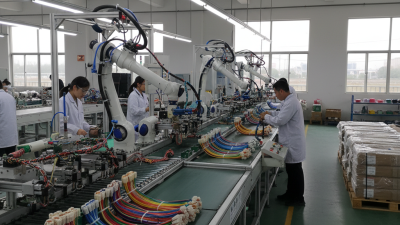
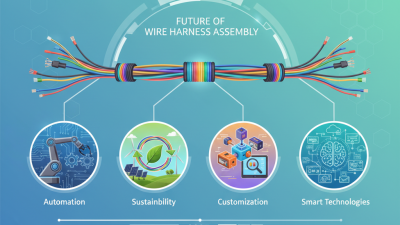
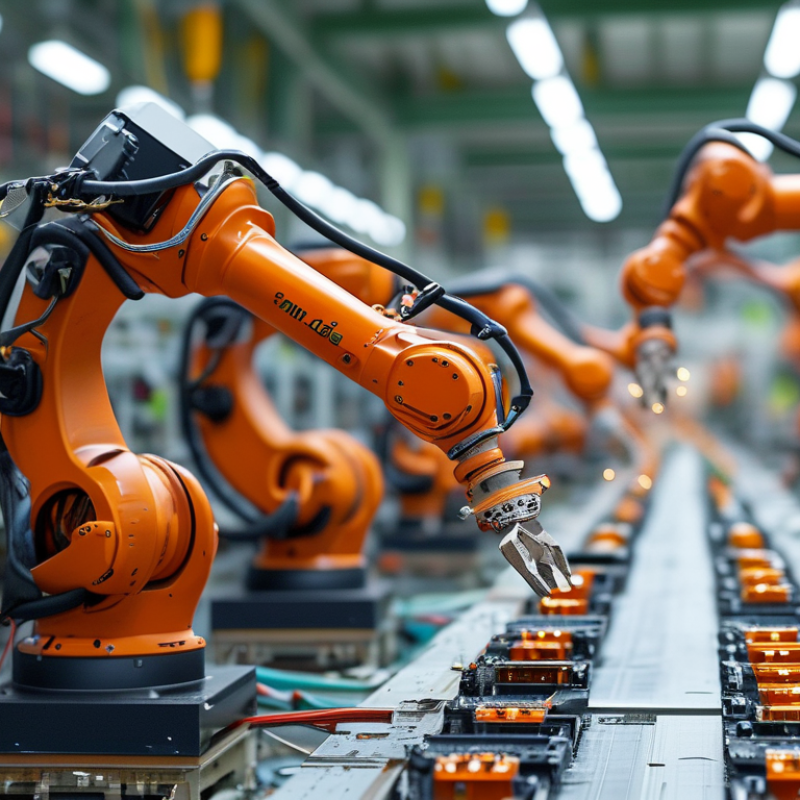
One of the prominent trends in 2026 is the integration of automation. Companies are adopting robotics to streamline production processes. This shift not only enhances productivity but also reduces human error. Another crucial trend is the focus on sustainability. Buyers are increasingly looking for eco-friendly materials and processes in their wire harness products. This move reflects a broader commitment to environmental responsibility in manufacturing.
Despite these advancements, challenges remain. The skill gap in the workforce can hinder the adoption of new technologies. Companies may need to invest more in training to bridge this gap. Additionally, the need for customization can complicate production schedules and increase costs. Navigating these complexities will be essential for stakeholders in wire harness manufacturing moving forward.
Key Innovations in Wire Harness Manufacturing for 2026
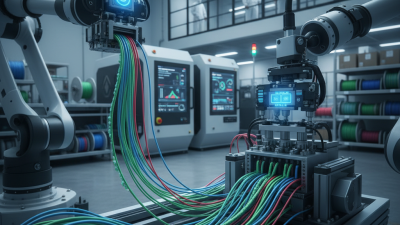
The wire harness manufacturing industry is witnessing significant transformations in 2026. Innovations driven by automation and AI are reshaping production methods. According to a report from Industry Research, the global wire harness market is projected to reach USD 100 billion by 2026. This growth highlights the necessity for manufacturers to adopt advanced technologies. Enhanced precision in assembly processes is becoming crucial. These changes can lead to increased efficiency and reduced errors in production.
Manufacturers are exploring smart materials as well. These materials provide better performance while reducing weight. For instance, the use of thermoplastics can improve durability in harsh environments. Investing in these materials might yield higher production costs initially, but they offer long-term savings. Adopting a more sustainable approach is beneficial too. Environmental concerns are influencing buyer preferences, pushing manufacturers toward eco-friendly solutions.
Analyzing industry trends is vital for staying competitive. Yet, it’s challenging to keep pace with rapid innovations. A comprehensive understanding of emerging technologies is essential for future strategizing. Many companies are neglecting employee training, which impacts their innovation potential. Continuous skill enhancement is necessary to leverage new tools effectively. The industry must balance innovation and practical implementation to thrive in this evolving landscape.
Sustainable Practices Shaping the Future of Wire Harness Production
The wire harness manufacturing industry is experiencing a significant shift towards sustainability. A recent report predicts that by 2026, 35% of manufacturers will prioritize eco-friendly materials. This change is driven by rising consumer awareness and stricter regulations regarding environmental impacts.
Sustainable practices include using recycled materials and optimizing production processes. For instance, adopting lean manufacturing strategies can reduce waste by up to 25%. Companies are also looking at renewable energy sources for production. In fact, an estimated 40% of manufacturers are expected to implement solar power solutions. This not only cuts costs but also minimizes carbon footprints.
However, many manufacturers face challenges. Transitioning to sustainable materials can increase production costs, impacting profit margins. Additionally, there is a lack of standardization in eco-friendly materials, which complicates supply chain management. As the industry evolves, it is crucial for manufacturers to balance sustainability with economic viability. Embracing these changes requires continuous reflection and adaptation. The journey towards sustainability is ongoing and demands commitment.
2026 Top Trends in Wire Harness Manufacturing for Global Buyers
| Trend |
Description |
Impact on Sustainability |
Estimated Growth (% YoY) |
| Digital Twin Technology |
Utilizing digital replicas to optimize manufacturing processes and reduce waste. |
Reduces material waste and energy consumption. |
15% |
| Eco-friendly Materials |
Incorporating biodegradable and recycled materials in harness production. |
Lowers environmental impact and promotes recycling. |
20% |
| Automation & AI |
Leveraging AI and robotics for higher precision and efficiency. |
Reduces labor costs and improves energy efficiency. |
25% |
| Supply Chain Transparency |
Increased demand for visibility from sourcing to delivery. |
Promotes ethical sourcing and responsible production. |
10% |
| Modular Design |
Flexible harness configurations to adapt quickly to changes. |
Allows for resource optimization and faster reconfiguration. |
18% |
Emerging Technologies Transforming Wire Harness Design Processes
Emerging technologies are reshaping the wire harness manufacturing sector. With rapid advancements, companies are re-evaluating their design processes. According to a recent report, 72% of manufacturers are incorporating automation and digital tools. These innovations enhance precision and reduce waste.
3D modeling and simulation software are game changers. They allow engineers to visualize and test designs before physical production. This reduces costly errors and accelerates time-to-market. Additionally, data analytics plays a significant role in optimizing production lines. By analyzing real-time data, manufacturers can identify inefficiencies and improve operations.
However, challenges remain. Integrating new technologies requires skilled labor and substantial investment. Many firms struggle with the skills gap. A report highlights that 40% of companies find it challenging to recruit qualified professionals. Manufacturers must adapt to these changes while ensuring their workforce is equipped for the future. Balancing technology adoption and workforce development is essential for sustained growth in this evolving landscape.
Global Supply Chain Trends Impacting Wire Harness Manufacturing
The global supply chain is transforming wire harness manufacturing significantly. Recent reports indicate a predicted growth rate of 5.6% annually in the wire harness market through 2026. This growth is driven by various factors, including increased demand in the automotive and aerospace sectors. Companies are now navigating complex challenges such as material shortages and rising transportation costs.
To adapt, manufacturers must embrace technology and innovative materials. Smart technologies, such as IoT sensors and automation, can streamline production efficiency. Reports suggest that companies integrating these technologies see productivity increases of at least 15%. However, the road to implementation is often challenging. Many manufacturers struggle to source skilled labor to operate advanced machinery.
Consider optimizing supply chains through localized sourcing. Local suppliers can reduce lead times and accommodate quick changes in demand. Frequent communication with suppliers is essential. Developing strong relationships can mitigate risks associated with supply disruptions. Investing in employee training is also crucial. This enhances adaptability in a fast-evolving industry, promoting a workforce ready to tackle future trends.
2026 Top Trends in Wire Harness Manufacturing
Market Demands Driving Customization in Wire Harness Solutions
The customization of wire harness solutions is increasingly driven by market demands. As industries evolve, the need for tailored products surges. According to a recent industry report, approximately 62% of global wire harness buyers prefer customized solutions over standard offerings. This shift reflects the urgency to meet specific application requirements, enhancing efficiency and performance.
Factors influencing this trend include advancements in technology and the push for sustainability. Many manufacturers are now integrating eco-friendly materials into their designs. This transition not only meets regulatory standards but also aligns with the growing consumer preference for sustainable products. Interestingly, a survey found that 45% of end-users cite environmental considerations as a top priority in their purchasing decisions.
Additionally, the rise of automation and smart technologies demands more complex wiring systems. For example, the automotive sector's move towards electric and autonomous vehicles requires innovative wire harness designs. These systems must support advanced features, such as connectivity and energy efficiency. However, some manufacturers struggle with scaling custom solutions due to supply chain constraints and production limitations. This gap highlights the need for ongoing investment in infrastructure and employee training within the sector.