Why Choose PCB Printed Circuit Board for Your Next Project?
When embarking on a new project, selecting the right components is crucial. One popular choice is the PCB printed circuit board. This technology underpins countless electronic devices today. Its versatility and reliability make it a favored option among engineers and designers alike.
The PCB printed circuit board simplifies complex electrical connections. It integrates various components into a compact design. This results in increased efficiency and reduced errors during assembly. However, not all PCBs are created equal. Understanding the differences between types is essential for success. Quality and specifications can vary significantly between manufacturers.
Choosing a PCB printed circuit board can lead to innovation. Yet, it requires careful consideration of project needs. Balancing performance with cost can be challenging. All these factors demand attention and reflection. Striking the right balance ultimately determines the project's success.
Understanding the Basics of PCB Printed Circuit Boards
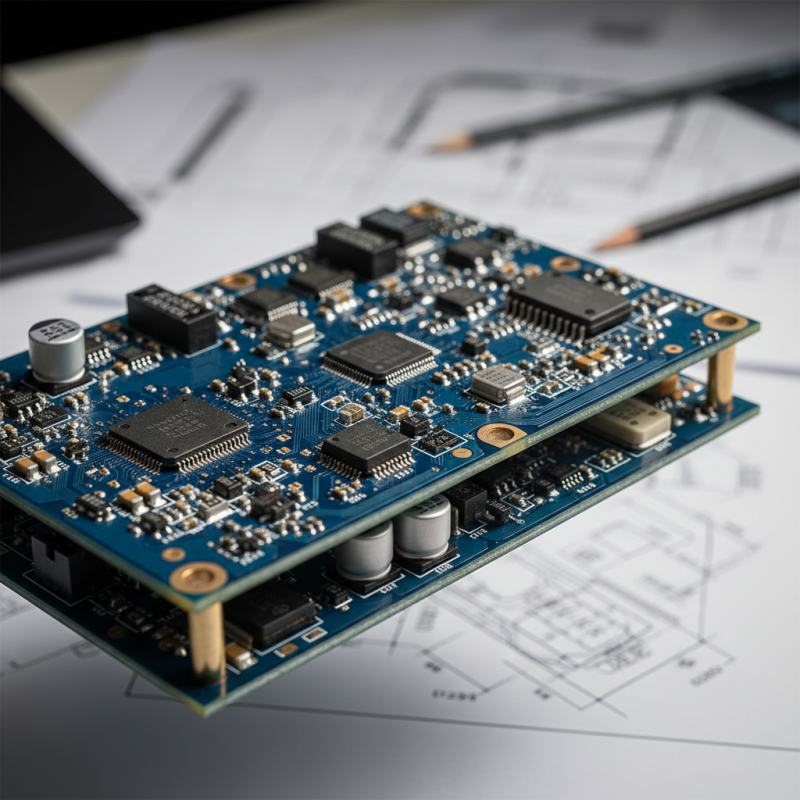
Printed Circuit Boards (PCBs) are essential components in modern electronics. Understanding the basics of PCBs can greatly enhance your project. According to a recent industry report by the IPC, the global PCB market is projected to reach $80 billion by 2025. This growth highlights the importance of PCBs in various industries, including consumer electronics, automotive, and telecommunications.
PCBs consist of layers of conductive pathways etched onto a substrate. They serve as a foundational element for connecting electronic components. The material choice for PCBs, such as FR-4 or flexible substrates, can affect the performance and durability of the circuit. A report from Research and Markets indicates that flexible PCBs are gaining traction, driven by the rising demand for compact and lightweight devices. However, the design of these boards requires precision. A flawed design could lead to circuit failures that are costly to fix.
While PCBs offer numerous advantages, they also come with challenges. Designing a PCB can be a complex process requiring expertise. Common pitfalls include signal integrity issues and thermal management. It’s critical to allocate sufficient time for prototyping and testing. Many engineers overlook the early stages of design, impacting overall functionality. Addressing these challenges head-on can improve a PCB's reliability and lifespan, ultimately benefiting the project’s success.
Key Benefits of Using PCBs in Electronic Projects
Printed circuit boards (PCBs) are an essential component in modern electronics. They provide a structured base for electronic components. This arrangement enhances durability and reduces size, making them vital for compact devices. PCBs allow for intricate designs, enabling engineers to create innovative products. Their manufactured precision significantly minimizes errors in prototypes.
Tips: When designing a PCB, ensure your layout promotes good signal integrity. Avoid cluttering the board—this can lead to interference. Use appropriate spacing between components.
Another advantage is cost-effectiveness. Although initial design may be complex, mass production of PCBs is cost-efficient. They can handle multiple functions, reducing the need for additional components. This not only lowers expenses but also simplifies assembly processes.
Tips: Choose the right materials for your PCB based on your project requirements. Conduct thorough testing before large-scale production. This helps identify flaws early.
Overall, PCBs make electronic projects more reliable and efficient. Their versatility contributes to advancing technology in various fields. Understanding their benefits can lead to better decision-making for your next project.
Types of PCBs: Choosing the Right Type for Your Needs
When selecting a printed circuit board (PCB) for your next project, understanding the different types available is crucial. Each type serves unique purposes and offers distinct benefits. For example, single-sided PCBs are simple and cost-effective. They are ideal for low-density designs. However, their limitations can be restrictive for complex circuits.
On the other hand, double-sided PCBs allow for more intricate connections. They can support higher component counts but may require more careful layout planning. Multi-layer PCBs are another option, designed for advanced electronics. They provide even greater complexity and can handle dense circuit designs. Yet, their production can be time-consuming and expensive.
Choosing the right PCB type is about balance. Consider your project's specific needs and budget constraints. A simple design might benefit from a single-sided board, while a more advanced project may necessitate a multi-layer approach. Being aware of these trade-offs helps in making an informed decision. Recognizing these options ensures the PCB aligns with your project goals and avoids future complications.
Why Choose PCB Printed Circuit Board for Your Next Project? - Types of PCBs: Choosing the Right Type for Your Needs
| PCB Type |
Description |
Applications |
Advantages |
| Single-Sided PCB |
Has components mounted on one side of the board. |
Simple electronics, LED lighting, and consumer products. |
Cost-effective and easy to fabricate. |
| Double-Sided PCB |
Components can be mounted on both sides of the board. |
Power supplies, audio devices, and communication systems. |
More efficient use of space and better routing options. |
| Multi-layer PCB |
Contains three or more layers of conductive material. |
Complex devices such as computers, medical equipment, and military applications. |
High-density designs and superior performance. |
| Flexible PCB |
Made from flexible materials, allowing bending and folding. |
Wearable tech, smartphones, and automotive components. |
Lightweight and adaptable to space constraints. |
| Rigid-Flex PCB |
Combination of rigid and flexible circuit board features. |
High-performance devices, instrumentation, and military applications. |
Excellent durability and complex shapes. |
Design Considerations for Effective PCB Layout
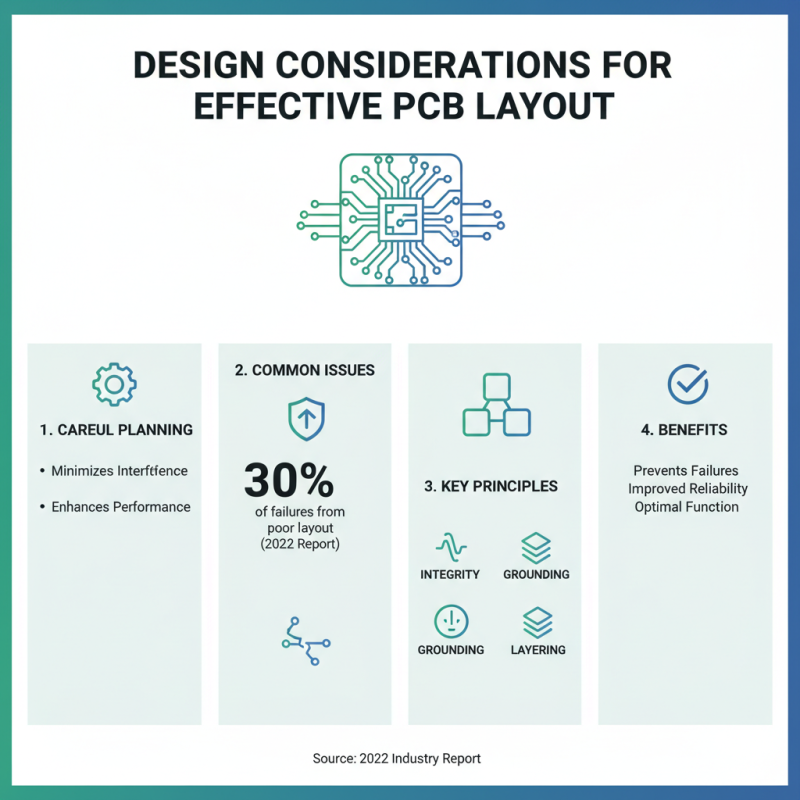
When designing an effective PCB layout, careful planning is crucial. A well-structured design minimizes interference and enhances performance. According to a 2022 industry report, up to 30% of PCB failures can be traced back to poor layout choices. Understanding signal integrity, grounding, and layering helps prevent these issues.
Signal traces should be as short as possible. This reduces the potential for electromagnetic interference. A tighter layout can improve the overall reliability of the board. Likewise, ensuring adequate grounding is vital. Inadequate grounding can lead to increased noise, affecting circuit performance. A study found that improperly grounded PCBs experience a 40% higher likelihood of functional failures.
Layer stacking is another significant consideration. The arrangement of power and signal layers impacts thermal management. Poor thermal design can lead to hot spots, ultimately affecting component lifespan. Designers often overlook this aspect, resulting in costly revisions. Adopting a more disciplined approach in PCB layout can significantly enhance overall project outcomes.
Cost-Effectiveness and Efficiency of PCB Manufacturing
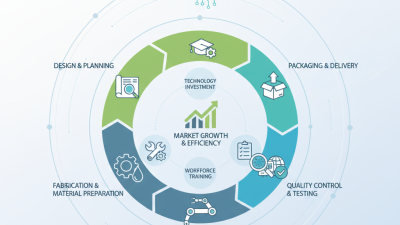
When considering the cost-effectiveness of PCB manufacturing, several factors come into play. Printed Circuit Boards (PCBs) offer a significant reduction in production costs. Bulk production leads to economies of scale, making each unit cheaper to manufacture. However, businesses must weigh initial setup costs against long-term benefits. Investing in quality equipment is crucial but may strain budgets for smaller projects.
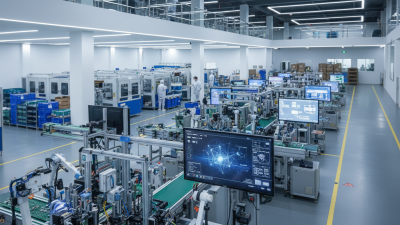
Efficiency is key in PCB production. Automated processes streamline tasks, reducing errors and waste. This automation often translates into shorter lead times, allowing for quicker project turnaround. Nevertheless, the complexity of designs may lead to unforeseen challenges. Enhancing design accuracy is essential to avoid costly revisions.
Moreover, the reliability of PCBs cannot be overlooked. High-quality materials and processes increase the longevity of the final product. Yet, not all manufacturers adhere to strict quality standards, resulting in variability. It’s vital for engineers to research and choose reliable manufacturing partners. Investing time in this research can prevent future headaches. Proper planning and foresight can achieve a harmonious balance between cost, efficiency, and quality in PCB production.
Cost-Effectiveness and Efficiency of PCB Manufacturing