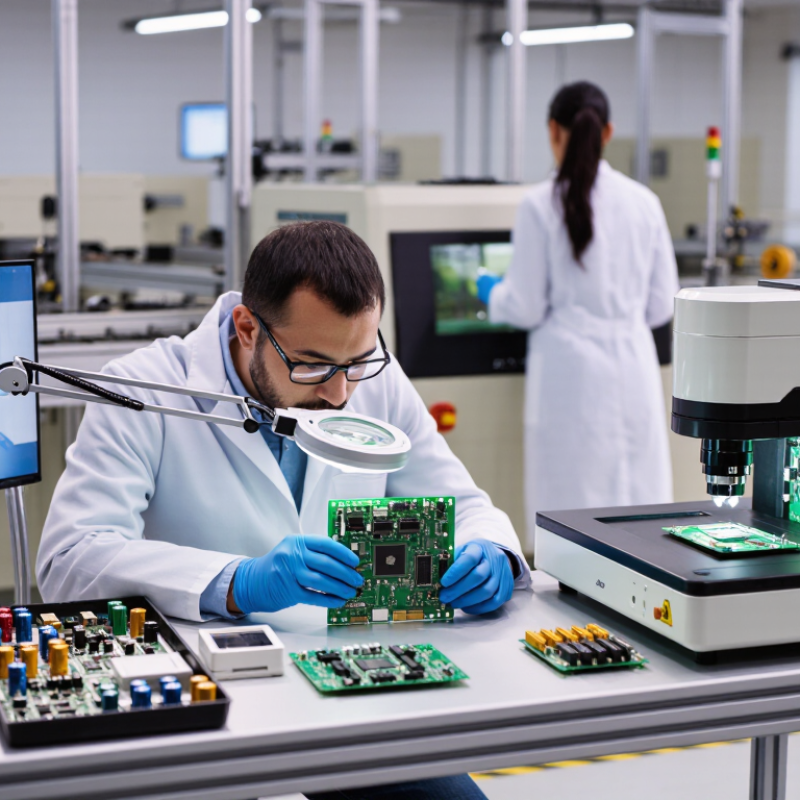
A circuit board may look simple on a screen, but assembly decisions shape how it performs in real equipment. Choosing a PCB assembly manufacturer can connect design intent with repeatable production. The right partner reviews more than the board files. They can check the bill of materials, flag component availability concerns, and identify layout features that may complicate soldering or inspection.
Small details matter. A misplaced footprint or unsuitable reflow profile can create delays and rework. Experienced teams use processes such as solder-paste inspection, automated optical inspection, and, where appropriate, X-ray inspection to find defects that visual checks may miss. They should also explain how components and production lots are tracked. Ask what evidence supports their quality claims, rather than relying on broad promises.
A capable manufacturer may support prototypes, pilot runs, and larger orders, helping teams manage changes as a product develops. Clear communication is just as important: engineers need timely answers about substitutions, lead times, test coverage, and design-for-manufacturing concerns. Still, outsourcing is not automatically the best choice for every project. A supplier’s capabilities, location, order size, and engineering support must fit the product’s actual needs. And no process removes every risk. Comparing these practical factors helps businesses choose a partner with realistic expectations—and build a more reliable path from design files to assembled boards.
A PCB assembly manufacturer turns a bare circuit board and a parts list into a tested electronic assembly. Its work often starts before production: engineers check footprints, component availability, panel layout, and solder clearances. Small errors matter. A misplaced connector can block an enclosure; an unsuitable pad design can cause weak solder joints. The manufacturer then sources components, prints solder paste through a stencil, and uses pick-and-place machines to position surface-mount parts. Boards pass through a reflow oven, where controlled heat forms the solder connections. Through-hole parts may be inserted and soldered separately.
Inspection is more than a quick visual check. Automated optical inspection looks for shifted parts and solder defects, while X-ray inspection can reveal hidden joints beneath some packages. Electrical tests may check continuity or confirm that the board performs its intended function. Prismark Research’s 2024 industry outlook estimated that global PCB production value would grow about 5% that year, following a sharp decline in 2023. That scale makes process control important, but it does not guarantee a good build. The handoff can still be messy: incomplete files, substitute components, or late design changes create risk. A capable manufacturer flags these issues early and records revisions and test results. Even then, test coverage has limits; a board that passes today may behave differently in its final product.
Core Processes in PCB Assembly
Core Processes in PCB Assembly
A capable PCB assembly manufacturer turns design files into repeatable boards through controlled steps. The work starts with a design-for-manufacturing review: engineers check clearances, component footprints, and panel layout before production. A small footprint mismatch can shift a part off its pads. It happens.
Solder-paste printing follows. A stencil deposits paste onto copper pads, and automated inspection checks deposit volume and alignment. Pick-and-place equipment then positions components, often at high speed, but speed alone proves little. Reflow soldering heats the board through a measured thermal profile, joining components without overheating sensitive parts. IPC’s 2024 North American EMS Industry Survey identifies labor and component availability as ongoing operating pressures; both can affect scheduling and process consistency.
Inspection links each stage to evidence. Automated optical inspection checks visible solder joints and placement, while X-ray inspection can reveal hidden connections beneath packages such as BGAs. Electrical testing verifies that the assembled board behaves as intended. IPC-A-610 defines acceptance criteria for electronic assemblies, giving teams a shared reference for workmanship. Still, no inspection method catches everything. A good manufacturer records defects, traces them to process steps, and adjusts settings rather than merely sorting bad boards. That discipline can be less tidy than a flowchart suggests, especially when components vary between lots.
Benefits of Working with a PCB Assembly Manufacturer
A PCB assembly manufacturer can coordinate design review, component sourcing, placement, soldering, and inspection. This can reduce handoffs and expose footprint mismatches or hard-to-source parts before production. A small product team may get faster answers when a prototype shows a lifted pad or uneven solder joint. Useful, but not automatic. Ask how the team handles design changes, component substitutions, and process records.
Tips: Request a design-for-manufacturing review, confirm approved component alternatives, and ask what inspection reports are available. Share board revisions and expected volumes early. Specific questions expose gaps.
A capable manufacturer should explain its assembly limits, testing options, and quality checks in plain terms. For example, ask whether boards receive visual inspection, automated optical inspection, or functional testing, and when each is used. Compare the answers with your product’s risks, not just the quoted price. Outsourcing also does not remove design responsibility: unclear polarity markings or incomplete assembly files can still cause delays. A low-volume prototype may reveal issues that were missed in review, so the process needs room for feedback and revision.
How Manufacturers Support Quality and Production Growth
A PCB assembly manufacturer supports quality by building controls into each production step, not by relying on final inspection alone. Engineers can review board layouts for manufacturability, check component availability, and flag risks before tooling begins. During assembly, solder paste inspection, automated optical inspection, and X-ray checks can reveal issues such as uneven paste deposits, shifted components, or hidden solder-joint defects. Small details matter. Lot traceability and documented process settings also help teams investigate failures and repeat successful builds. These practices are especially useful when a prototype moves into higher-volume production.
Growth needs capacity, but speed without process control can create expensive rework. Deloitte’s 2023 Smart Manufacturing Survey reported that manufacturers expect smart-manufacturing initiatives to improve production output by 10–20%, workforce productivity by 7–20%, and unlocked capacity by 10–15%.
Those are broad manufacturing estimates, not PCB-specific guarantees.
A manufacturer can apply similar principles through production data, equipment monitoring, and consistent work instructions. Still, automation is not a cure-all. A dashboard may show stable output while a recurring defect slips through sampling. Teams should review inspection results, yield trends, and customer feedback together, then adjust the process. Growth is useful only when quality grows with it.
Factors to Consider When Choosing a Manufacturer
Why Choose a PCB Assembly Manufacturer?
Factors to Consider When Choosing a Manufacturer
Choosing a PCB assembly manufacturer means evaluating more than unit price. Review its experience with your board’s layer count, components, and production volume. Ask how it handles design-for-manufacturing checks, component traceability, and inspection records. IPC-A-610 provides widely used criteria for electronic assembly acceptability, but ask which revision and class the supplier applies. Details matter.
Market demand adds pressure to supplier selection. Grand View Research’s Printed Circuit Board Market Size, Share & Trends Analysis Report estimated the global PCB market at USD 76.12 billion in 2023 and projected a 5.6% compound annual growth rate from 2024 to 2030. Growth alone does not prove a supplier is reliable. Request evidence: recent yield data, test coverage, capacity plans, and realistic lead times. A polished quote is not proof. I would also check how quickly engineering questions get clear answers; this is easy to overlook.