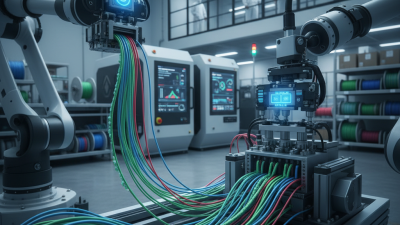
What is Wire Harness Manufacturing and Its Importance?
Wire harness manufacturing plays a crucial role in various industries, including automotive, aerospace, and electronics. A report by MarketsandMarkets estimates that the global wire harness market will reach approximately $275 billion by 2025. This growth reflects the increasing demand for efficient electrical systems in modern vehicles and advanced electronic devices. As technology evolves, manufacturers face challenges such as ensuring quality and reducing costs while maintaining production efficiency.
The importance of wire harness manufacturing cannot be overstated. These components facilitate the seamless transfer of electrical signals and power, ensuring functionality across complex systems. However, companies must grapple with issues like supply chain disruptions and fluctuating material costs. A survey from TechNavio highlighted that nearly 30% of manufacturers struggle with sourcing materials on time, which impacts overall productivity.
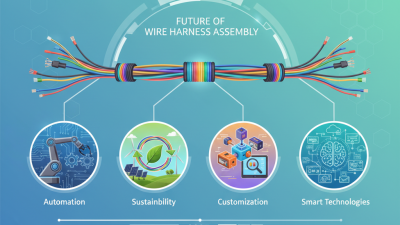
Moreover, the industry's rapid evolution necessitates continuous innovation and a keen understanding of emerging trends. Manufacturers must adopt advanced technologies, such as automation and smart manufacturing, to stay competitive. As new specifications and standards emerge, maintaining compliance is both a challenge and an opportunity for growth. Investing in wire harness manufacturing not only enhances product reliability but also strengthens the market position of companies in an increasingly competitive landscape.
Definition of Wire Harness Manufacturing
Wire harness manufacturing involves the assembly of cables and connectors to create intricate electrical systems. It plays a vital role in various industries, from automotive to aerospace. The process ensures reliable connections between different components, enabling devices to function correctly. Each wire harness is designed to meet specific requirements, providing the necessary electrical pathways.
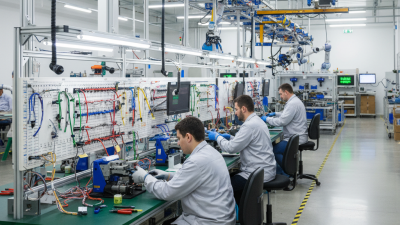
The manufacturing process starts with careful planning. Designers create detailed schematics, outlining every connection needed. Quality materials are then selected based on their durability and conductivity. Skilled technicians assemble these components with precision. They ensure that every connection is secure and tested for performance. This level of attention shapes the reliability of the final product.
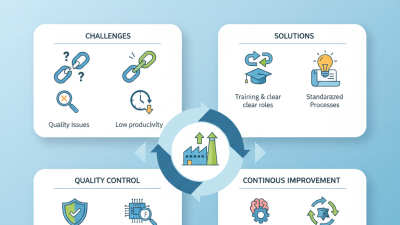
Despite the advancements in technology and manufacturing processes, challenges still exist. Variability in production can lead to inconsistencies. Overlooks in design may result in failures in complex systems. Continuous improvement and training are necessary to maintain high standards. Addressing these issues is crucial for delivering high-quality wire harnesses that meet industry demands.
Key Components of Wire Harnesses
Wire harnesses play a crucial role in many industries, from automotive to aerospace. These assemblies consist of wires, connectors, and terminals. They facilitate seamless electrical connections in complex systems. Understanding the key components of wire harnesses helps in recognizing their importance.
The main components include wires, connectors, and protective coverings. Wires transmit electrical signals. There are various types, each suited for specific applications. Connectors link wires to devices, ensuring a solid connection. Protective coverings shield the wiring from environmental damage. Common materials include PVC and nylon.
Planning is essential in wire harness manufacturing. Ensure the design meets industry standards. Regular quality checks help maintain consistency. Be attentive to detail during assembly. Small mistakes can lead to significant issues later. Consider the working environment, as it affects component durability. Always strive for improvement in quality control processes.
Step-by-Step Process of Wire Harness Production
Wire harness manufacturing is a precise process. It involves creating assemblies of wires, terminals, and connectors. This process is crucial for the functionality of various electronic devices. Understanding the steps in wire harness production helps emphasize its importance.
The first step is design. Engineers create a detailed blueprint of the wire harness. They determine the gauge of wires and specify the connectors. This stage is vital for ensuring performance and safety. Adequate design minimizes future errors. Common mistakes include overlooking wire lengths or types, which can lead to assembly issues.
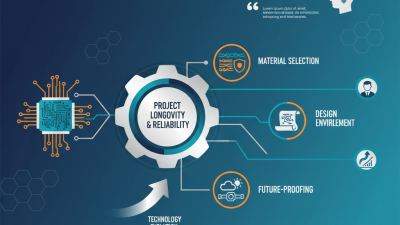
The second phase involves material selection. Quality materials enhance durability. Wires and connectors must resist environmental factors. Choosing the wrong materials can lead to failures in critical applications. The assembly process follows, where wires are cut and stripped to length. The terminals are attached, and connections are tested for reliability.
Adopting best practices in wire harness production is essential. Regular training for workers can improve precision. Investing in updated technology can also streamline the process. Tracking performance metrics helps identify areas for improvement. Each step requires attention to detail to avoid costly errors that may arise from oversights or poor craftsmanship. Regular audits of the process can reveal improvements or adjustments needed to maintain quality.
Applications of Wire Harnesses in Various Industries
Wire harnesses play a crucial role in numerous industries, ensuring reliable electrical connections. In automotive manufacturing, for example, wire harnesses are essential for integrating electrical systems. According to market research, the global automotive wire harness market is expected to reach $60 billion by 2027. This growth reflects the increasing complexity of automotive electronics, such as infotainment systems and advanced driver-assistance systems (ADAS).
In the aerospace sector, the significance of wire harnesses cannot be overstated. They are integral to the safety and functionality of aircraft. A report indicates that over 50% of all electrical issues in planes are traced back to wiring problems. This highlights the importance of high-quality wire harness manufacturing. The need for precision and reliability in this field is paramount, as even minor failures can have serious consequences.
Wire harnesses also serve various applications in industrial machinery and consumer electronics. In industrial settings, they streamline connections between machines, enhancing productivity. For consumer electronics, they support devices in maintaining compact designs while ensuring functionality. However, industries face challenges in ensuring durability against environmental factors. Addressing these concerns requires constant innovation and quality checks in wire harness production.
Significance of Wire Harness Quality Control and Testing
Wire harness quality control and testing are vital in the manufacturing process, especially in sectors like automotive and aerospace. A report from Allied Market Research states that the global wire harness market was valued at approximately $74 billion in 2020. As demand grows, maintaining high standards in quality becomes non-negotiable. Substandard wire harnesses can lead to severe safety hazards, operational failures, and costly recalls. Thus, stringent testing protocols are indispensable.
Effective quality control includes visual inspections and functional testing, along with advanced testing methods like high voltage and thermal cycling. A recent study highlighted that up to 30% of defects go undetected without robust testing processes in place. This indicates a significant area for improvement. Industry professionals emphasize that embracing technology, like automated testing machines, can enhance reliability. However, many manufacturers still rely on traditional methods, which may not detect critical failures.
The focus should also be on the training of personnel involved in quality control. Research shows that 70% of quality failures arise from human error. Ensuring that staff are well-trained and aware of the implications of their work can mitigate risks. Continuous investment in quality control measures is essential for operational excellence in wire harness manufacturing, ultimately benefiting the industry as a whole.