What is Electronic Board Assembly and Its Benefits for Buyers?
Electronic board assembly (EBA) plays a crucial role in the electronics manufacturing sector. By integrating multiple components onto a single board, EBA streamlines production and enhances efficiency. According to a report from MarketsandMarkets, the EBA market is projected to reach $80 billion by 2025. This growth underscores the increasing demand for high-quality electronic products across industries.
Dr. Emily Chen, an expert in electronics manufacturing, emphasizes the benefits of EBA: "It reduces assembly time and minimizes defects." Buyers can achieve significant cost savings while ensuring product reliability. However, not all EBA providers meet the rigorous standards required by this competitive market. Some manufacturers may cut corners, risking quality in the process.
Investing in EBA not only improves production turnaround but also boosts customer satisfaction. Yet, buyers must be cautious in choosing their partners. Lack of thorough vetting can lead to disappointing results. As the industry evolves, maintaining a focus on quality and innovation will be crucial for success.

What is Electronic Board Assembly and Its Importance in Electronics Industry
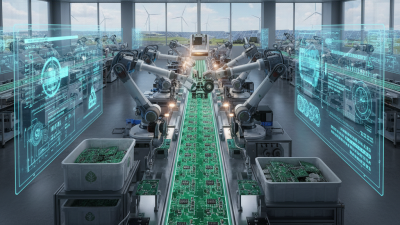
Electronic board assembly (EBA) plays a crucial role in the electronics industry. It involves the process of assembling electronic components onto printed circuit boards (PCBs). This process ensures that electronic devices function correctly and efficiently. EBA helps bring innovative products to market faster. As technology evolves, the demand for efficient assembly methods also grows.
The importance of EBA lies in its impact on product quality and performance. When components are precisely placed and soldered, it reduces the risk of defects. A well-executed assembly can result in better durability and performance. This adds value for manufacturers and end-users alike. Moreover, EBA allows for greater design flexibility. This means manufacturers can scale up production or tweak designs without significant downtime.
When considering EBA, focus on quality assurance. Inspect components thoroughly before assembly. This ensures that only functional parts are used. Engage with experienced assembly partners who understand specific requirements. Stay updated on industry standards and technological advancements. Embracing best practices in assembly can lead to enhanced reliability and overall success in your electronic products.
Benefits of Electronic Board Assembly (EBA)
The chart above illustrates the key benefits of Electronic Board Assembly (EBA) for buyers. EBA provides significant advantages such as cost efficiency, time savings in production, stringent quality assurance, enhanced scalability for production needs, and the ability to customize electronic boards to meet specific requirements. These factors contribute to a more streamlined process in the electronics industry.
Key Components Involved in Electronic Board Assembly Process
In the electronic board assembly (EBA) process, several vital components play crucial roles. These components include printed circuit boards (PCBs), surface mount devices (SMDs), and through-hole components. The effectiveness of EBA largely depends on the quality of these parts. Research shows that nearly 35% of electronic failures can be traced back to faulty components. Thus, sourcing high-quality materials becomes necessary for reliable assemblies.
The assembly process itself involves multiple stages. First, the design team creates a schematic, guiding PCB layout. Next, solder paste is applied to the PCB, followed by placing components accurately on the board. Automated machines often handle this, ensuring precision. Statistics reveal that automated assembly can increase accuracy by up to 30%. However, the process isn't without flaws. Human error, such as misplacement of components, can still occur during manual assembly stages.
Another critical aspect is the testing phase. Manufacturers employ various testing methods to check functionality, such as in-circuit tests (ICT) and functional tests. These methods can reveal defects early in the process. Reports suggest that rigorous testing can reduce product failures in the field by 70%. Nonetheless, companies sometimes overlook this step to cut costs, risking long-term reliability.
What is Electronic Board Assembly and Its Benefits for Buyers?
| Component |
Function |
Material |
Benefits |
| Printed Circuit Board (PCB) |
Foundation for electronic components |
Copper, fiberglass |
Compact and organized assembly |
| Solder |
Connects components to PCB |
Tin-lead, lead-free alloys |
Reliable electrical connections |
| Resistors |
Regulates current flow |
Carbon, metal film |
Controls circuit functions |
| Capacitors |
Stores and releases energy |
Ceramic, electrolytic |
Improves power stability |
| Integrated Circuits (ICs) |
Combines multiple functions |
Silicon |
Increases functionality and reduces size |
Step-by-Step Overview of the Electronic Board Assembly Process
Electronic board assembly (EBA) is a precise and intricate process that transforms raw materials into functional electronic devices. This multi-step procedure typically involves designing, manufacturing, and assembling printed circuit boards (PCBs). Each step is crucial for ensuring the final product meets quality and performance standards. Industry data highlights that the global market for electronic assembly is projected to reach over $200 billion by 2027, reflecting the growing demand for electronics across various sectors.
In a typical EBA workflow, the initial stage revolves around PCB design and layout. Engineers create a schematic, ensuring optimal placement of components. Following this, components are sourced and prepared. Automated machines assemble components to the PCB with great precision, often at speeds exceeding 10,000 components per hour. Throughout this process, inspections are critical to identify potential defects or misalignments. Companies invest significant resources in quality control, as reports show that a mere 1% defect rate can lead to substantial financial losses.
Purchasers often overlook the importance of the assembly process. Understanding the complexity can lead to better decision-making. While EBA offers efficiency, it also presents challenges. Global supply chain issues can impact component availability. Furthermore, rapid technological changes may require ongoing adjustments in assembly techniques. Being aware of these factors helps buyers navigate the landscape more effectively.
Major Benefits of Electronic Board Assembly for Buyers
Electronic board assembly (EBA) is a crucial process in modern electronics manufacturing. It involves the creation and installation of electronic components onto printed circuit boards (PCBs). One major benefit of EBA is enhanced efficiency. Automated processes reduce assembly time and minimize the chance of human error. This leads to faster production schedules, benefiting businesses that need timely delivery.
Another significant advantage is cost-effectiveness. By optimizing assembly procedures, companies can lower labor costs and material wastage. Buyers can often expect lower prices for high-quality products. Additionally, EBA technology allows for scalability. It caters to both small and large production runs, meeting diverse client needs efficiently.
When considering EBA, pay attention to your specific requirements. Assess the complexity of your board design to ensure proper manufacturing techniques are applied. Choosing a provider with a strong track record is advisable. Research their previous projects to gauge their expertise.
Consider the long-term benefits of partnering with an experienced electronic assembly service. A reliable assembly partner can not only improve product quality but also provide ongoing support for future developments. This nurturing relationship fosters innovation and optimizes products over time, ensuring your electronics stay competitive.
Cost-Effectiveness and Efficiency of Electronic Board Assembly Solutions
Electronic Board Assembly (EBA) is increasingly popular among manufacturers seeking cost-effective solutions. This method streamlines production processes, reducing labor costs significantly. By automating assembly tasks, companies can maximize efficiency, saving both time and money. The precision offered by EBA minimizes errors, further enhancing productivity.
Another advantage of EBA lies in its ability to optimize resource use. With accurate placement of components, waste is reduced. This not only lowers costs but also supports environmentally sustainable practices. Companies find it advantageous to invest in EBA due to the long-term savings it provides.
It’s important to note that not all EBA solutions are created equal. Some may lack flexibility or scalability, which can be a challenge for evolving production needs. Buyers must carefully assess their choices. They should consider not just immediate savings but long-term value and adaptability as well. Embracing electronic board assembly requires careful planning and understanding of individual requirements.