Let Us Know How We Can Help. We Are Your Dedicated Solutions Provider.

The global electronics industry depends on reliable printed circuit board manufacturing. From smartphones to medical equipment, these boards connect tiny components through carefully engineered copper pathways. Their quality can affect product safety, durability, repair costs, and production schedules.
This guide examines ten leading printed circuit board manufacturers worldwide. It considers manufacturing scale, technology portfolios, certifications, geographic reach, and customer industries. Attention is also given to high-density interconnect, flexible circuits, rigid-flex designs, and advanced packaging capabilities. These details matter when a prototype must become millions of consistent units.
Real-world performance is rarely measured by factory size alone. A supplier may offer impressive machinery but struggle with communication or delivery stability. Another may specialize in aerospace work yet lack the capacity for consumer electronics. This comparison uses publicly available company information, industry experience, and observable manufacturing strengths. However, rankings should not be treated as permanent. Market conditions change. Facilities expand. Partnerships shift.
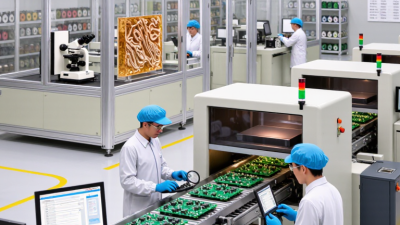
Small details often reveal operational maturity. Consider cleanroom discipline, automated optical inspection, traceability labels, and how defects are handled. These practices can protect a board long before it reaches final assembly. Certification records also deserve careful review, rather than automatic trust. Buyers should verify current credentials and production capabilities directly.
There is no universal winner.
The best manufacturer depends on design complexity, volume, budget, compliance needs, and delivery expectations. This overview provides a practical starting point, not a substitute for technical audits or supplier qualification.
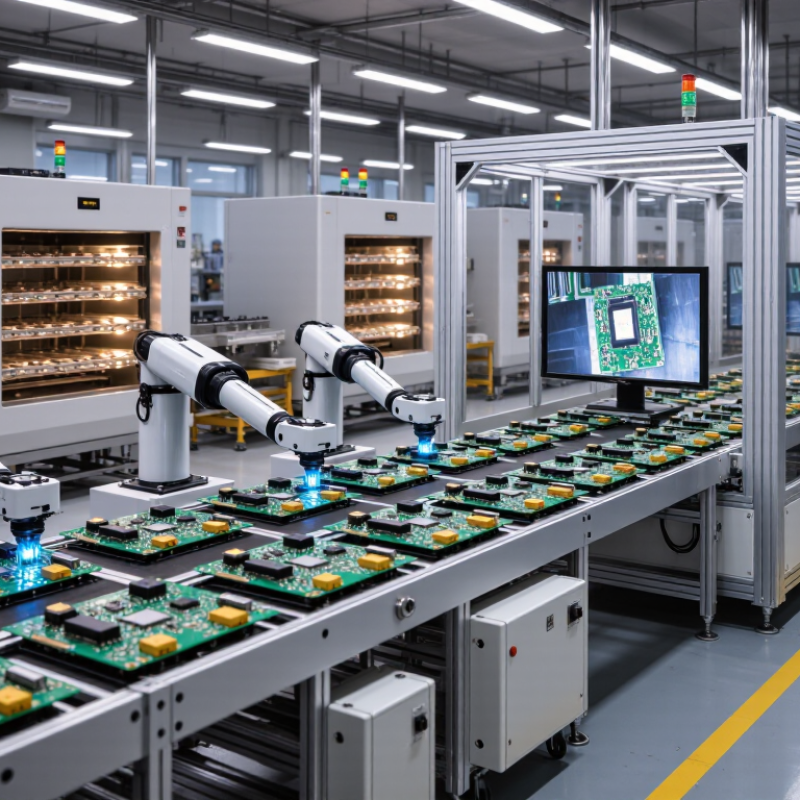
The global printed circuit board manufacturing landscape is shaped by scale, engineering depth, and supply resilience. A credible top-ten comparison should examine more than annual output. It should consider multilayer capability, fine-line control, rigid-flex production, and consistent quality records. Leading facilities often use automated optical inspection, impedance testing, and traceability systems. These controls matter when a small registration error can affect an entire assembly.
Manufacturing strength is distributed across several industrial regions. Some facilities focus on high-volume consumer electronics, while others serve automotive, medical, aerospace, and industrial equipment markets. Their priorities differ. One plant may offer rapid prototypes, while another manages millions of stable units each month. Material access, skilled technicians, energy reliability, and logistics also influence performance. A ranking can therefore change by application, not only by factory size. I may undervalue smaller specialists when comparing global capacity, and that limitation deserves attention.
Tips: Request recent quality data, sample test reports, and production references before choosing a supplier. Check layer count, minimum trace width, copper thickness, surface finish, and inspection coverage. Ask how the facility handles design changes and rejected boards. Confirm lead times with a pilot order, not a confident promise. Practical evaluation often reveals more than a polished capability chart.
Top 10 Printed Circuit Board Manufacturers Worldwide
Criteria for Ranking the Top PCB Manufacturers
Ranking the top PCB manufacturers requires more than comparing annual sales. Revenue remains important, but it can hide differences in product mix, regional costs, and factory scale. Prismark’s 2024 industry review estimates the global PCB market at more than 80 billion US dollars, with strong demand from computing, automotive, and communications equipment. This growth makes consistent measurement essential.
Our ranking framework weighs five criteria: reported PCB revenue, manufacturing capacity, technology range, quality performance, and geographic coverage. Production data should distinguish rigid boards, flexible circuits, and high-density interconnect products. IPC industry reports emphasize process control, traceability, and defect reduction as practical indicators of manufacturing maturity. Delivery reliability also matters. A board that passes inspection but arrives late still creates operational risk.
Independent certifications, audited disclosures, and customer-sector diversity strengthen a company’s credibility. We also examine factory locations, automation levels, engineering support, and investment in advanced materials. Sustainability receives a measured score, including energy use, chemical management, and waste reporting. The method is not perfect. Public data varies widely, and some manufacturers disclose capacity more clearly than revenue. That limitation deserves attention. A balanced ranking therefore combines verified figures with technical evidence, rather than relying on publicity or size alone.
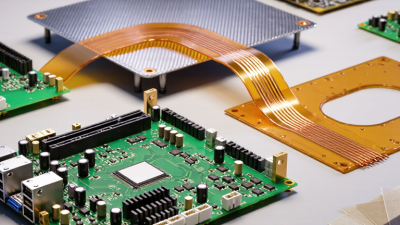
The worldwide PCB leaders differ more than rankings suggest. One manufacturer focuses on high-volume rigid boards for computers and networking equipment. Another specializes in flexible circuits, using thin polyimide layers for cameras, wearables, and compact controls. A third serves automotive programs, where copper thickness, thermal cycling, and traceability matter daily. Its factory records each panel through drilling, plating, inspection, and shipment.
A fourth profile centers on high-density interconnect boards. Laser microvias and fine line spacing support smaller medical and communication devices. A fifth combines rigid-flex construction with controlled impedance for aerospace electronics. A sixth operates large Asian production sites and competes through capacity, automation, and stable material sourcing. A seventh is known for quick-turn prototypes, helping engineering teams test layouts before mass production. The eighth emphasizes multilayer boards for industrial power systems, with heavier copper and stronger thermal management. The ninth supports medical customers through documented processes, inspection data, and careful change control. The tenth serves regional customers with smaller batches, local engineering support, and practical design feedback.
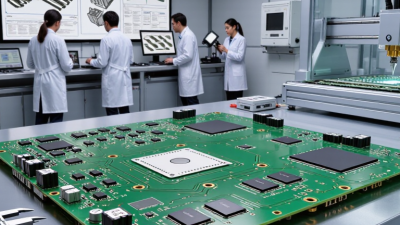
Quality depends on more than equipment. Experienced engineers review stackups, drill ratios, solder mask clearances, and surface finishes before release. Reliable suppliers also measure warpage, impedance, cleanliness, and plated-hole strength. Certifications can support confidence, but they do not replace process evidence. I would question any ranking based only on revenue. Capacity is useful, yet communication failures can delay a sound design. Even experienced teams miss details sometimes. That is worth remembering.
Global PCB manufacturing concentration by major production base
China remains the largest PCB production base worldwide, followed by Taiwan, Japan, and South Korea. Together, the ten leading production locations represent the main global manufacturing footprint for printed circuit boards. Values are rounded estimates of global PCB production share based on publicly reported industry analyses and regional production data.
The top ten printed circuit board manufacturers are distinguished by technology depth, not factory size alone. Their facilities commonly support multilayer, high-density interconnect, rigid-flex, and flexible circuit production. Laser drilling creates microvias for compact designs, while sequential lamination builds reliable interconnection between layers. Advanced manufacturers also use modified semi-additive processing for fine lines and tighter spacing.
Production capability depends on process control at every stage. Automated optical inspection checks trace width, registration, and solder-mask alignment. X-ray systems examine hidden vias and buried connections. Electrical testing verifies continuity and isolation before shipment. Controlled impedance testing is essential for high-speed boards, especially where signals move through narrow traces and multiple dielectric layers. Clean rooms, humidity control, and stable chemical baths reduce variation during imaging and plating.
Strong manufacturers connect engineering data with factory execution. Digital traceability can link each panel to material batches, drill files, inspection images, and test results. This supports faster root-cause analysis when defects appear. It also improves consistency across high-volume orders and low-volume prototypes. No factory is perfect. A strong one admits process limits, reviews field feedback, and adjusts tooling or inspection rules. That discipline matters more than impressive equipment lists. Capability must be proven through repeatable yields, documented controls, and dependable delivery under changing design demands.
The global PCB market is shifting from volume production toward higher density and stronger reliability. Leading manufacturers are expanding advanced substrate lines for electric vehicles, medical devices, cloud servers, and industrial controls. Demand is rising for high-layer boards, flexible circuits, and materials that manage heat more efficiently. A crowded factory floor now includes automated optical inspection, laser drilling, and real-time process monitoring.
Supply-chain resilience is also changing purchasing decisions. Buyers increasingly assess regional capacity, delivery stability, energy use, and traceable materials. Some manufacturers are building closer to major electronics markets, reducing shipping delays and inventory pressure. Digital production records can reveal copper thickness, drilling accuracy, and solder-mask defects before a shipment leaves the line. This practical visibility supports more dependable quality control.
Future development will depend on finer line spacing, low-loss materials, and improved thermal design. Artificial intelligence may help predict equipment failure, but human engineers still need to judge unusual defects. That judgment remains difficult. Data still has gaps. Recycling is another unresolved issue, especially for mixed materials and complex multilayer boards. Manufacturers that reduce water consumption, recover process chemicals, and design boards for easier separation may gain stronger customer trust. Yet progress will not be uniform, because smaller suppliers often lack the capital for rapid automation and cleaner production systems.